

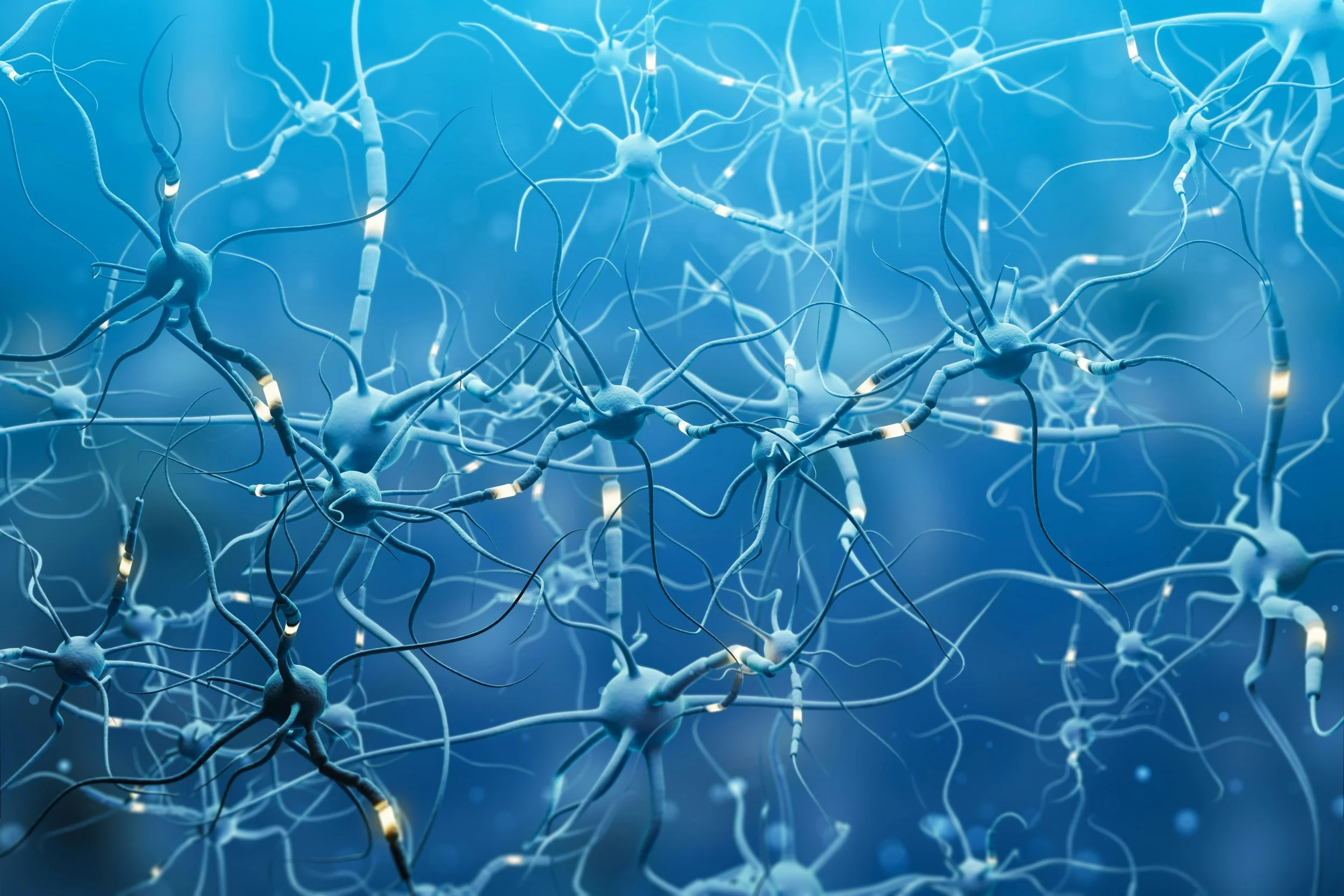
Neuroplasticity and Ketamine Treatment
Neuroplasticity means the nervous system can change, adapt, and form new patterns. Ketamine may help create a temporary window where the brain feels more flexible, making it easier for some patients to shift symptoms, engage in care, and build on treatment with therapy, rest, support, and follow-up.
Glutamate Signaling and Ketamine Treatment
Ketamine works differently from many standard antidepressants and pain medications because much of its clinical interest centers on the glutamate system. Glutamate helps brain cells communicate and plays a role in mood, pain processing, learning, and neuroplasticity. For some patients, this different pathway may help explain why ketamine can support more flexible signaling when symptoms have felt persistent or difficult to shift.
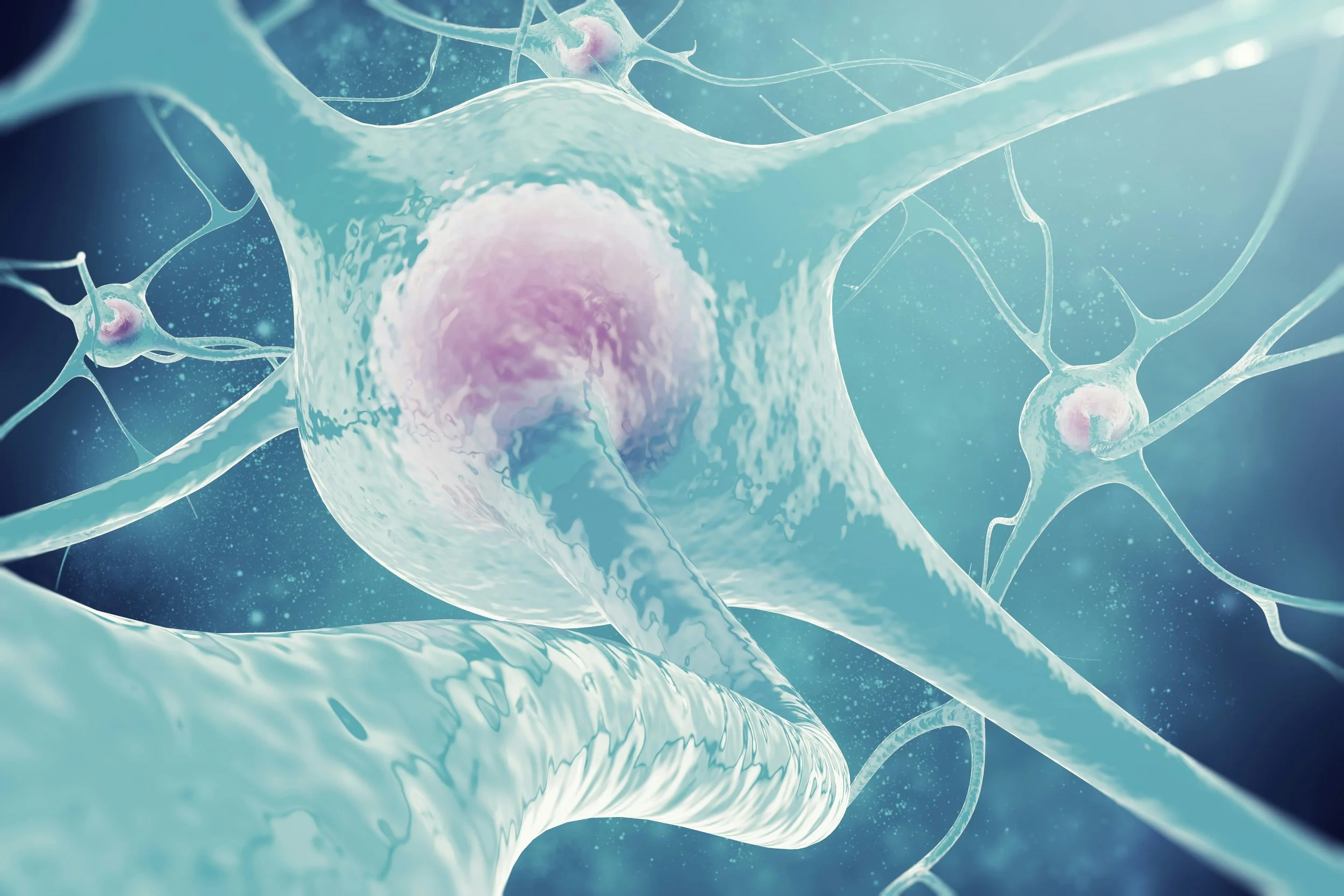
What It Means To “Reset Your Nervous System”
What does it actually mean to “reset” your nervous system? This article explains the common signs of stress overload, what is happening in the body, and how regulation and recovery become easier to access over time.

Ketamine for Chronic Pain: What Referring Providers Should Know
When is ketamine considered for chronic pain?
Ketamine may be considered for chronic pain when standard, multimodal treatments have not provided adequate relief and when central sensitization is suspected to play a significant role. It is not a first-line therapy and is evaluated as part of a broader, physician-guided care plan.
Chronic pain is one of the most complex clinical challenges providers manage. While many patients improve with medications, physical therapy, interventional procedures, and behavioral support, others continue to experience persistent pain that interferes with function and quality of life.
For referring providers, understanding where ketamine fits, which patients may be appropriate, and how care is coordinated is essential to responsible referral and continuity of care.