


Why pacing matters in chronic pain recovery
Pacing can help people with chronic pain interrupt the “boom and bust” cycle of overdoing, flaring, and crashing. Instead of doing as much as possible on better days, pacing creates a more sustainable rhythm of activity, rest, and gradual progress so patients can protect function, build confidence, and make daily life feel more manageable.

CRPS Life Expectancy and Pain Management: What Patients Should Know
CRPS is a complex chronic pain condition that can cause severe, persistent pain, sensitivity, swelling, movement changes, and disruption to daily life. While CRPS is not typically considered directly life-threatening, effective pain management matters because long-term pain can affect sleep, mobility, independence, mood, and quality of life. For selected patients, ketamine infusion therapy may be one part of a broader care plan focused on reducing pain burden and improving function.
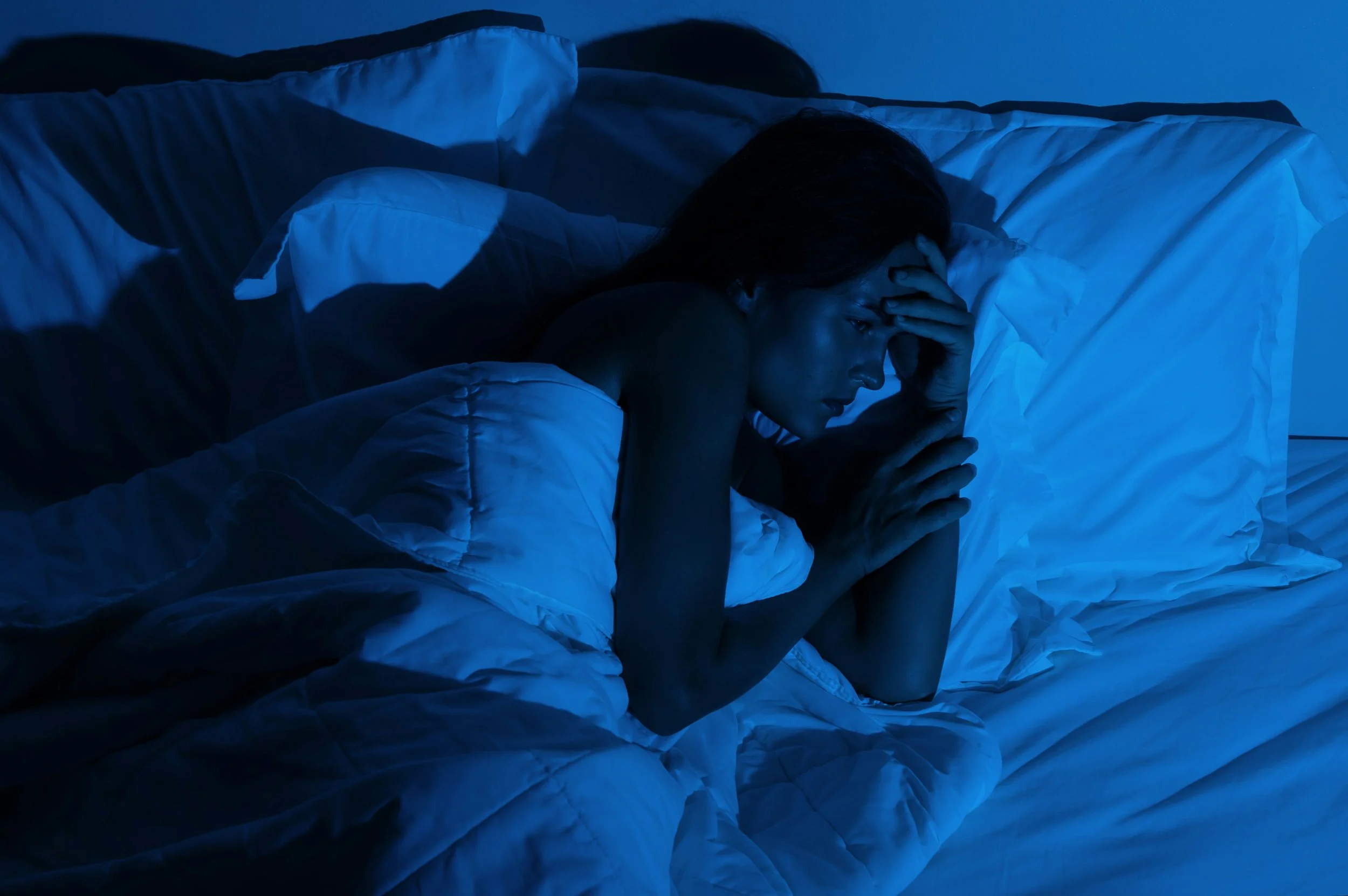
What Migraine Really Feels Like: More Than a Bad Headache
Migraine is more than a bad headache. It is a neurological condition that can involve nausea, sensory sensitivity, aura, brain fog, fatigue, and days of disrupted function. For people with frequent or difficult-to-control migraine attacks, understanding the full pattern of symptoms can be an important step toward a more complete care plan.
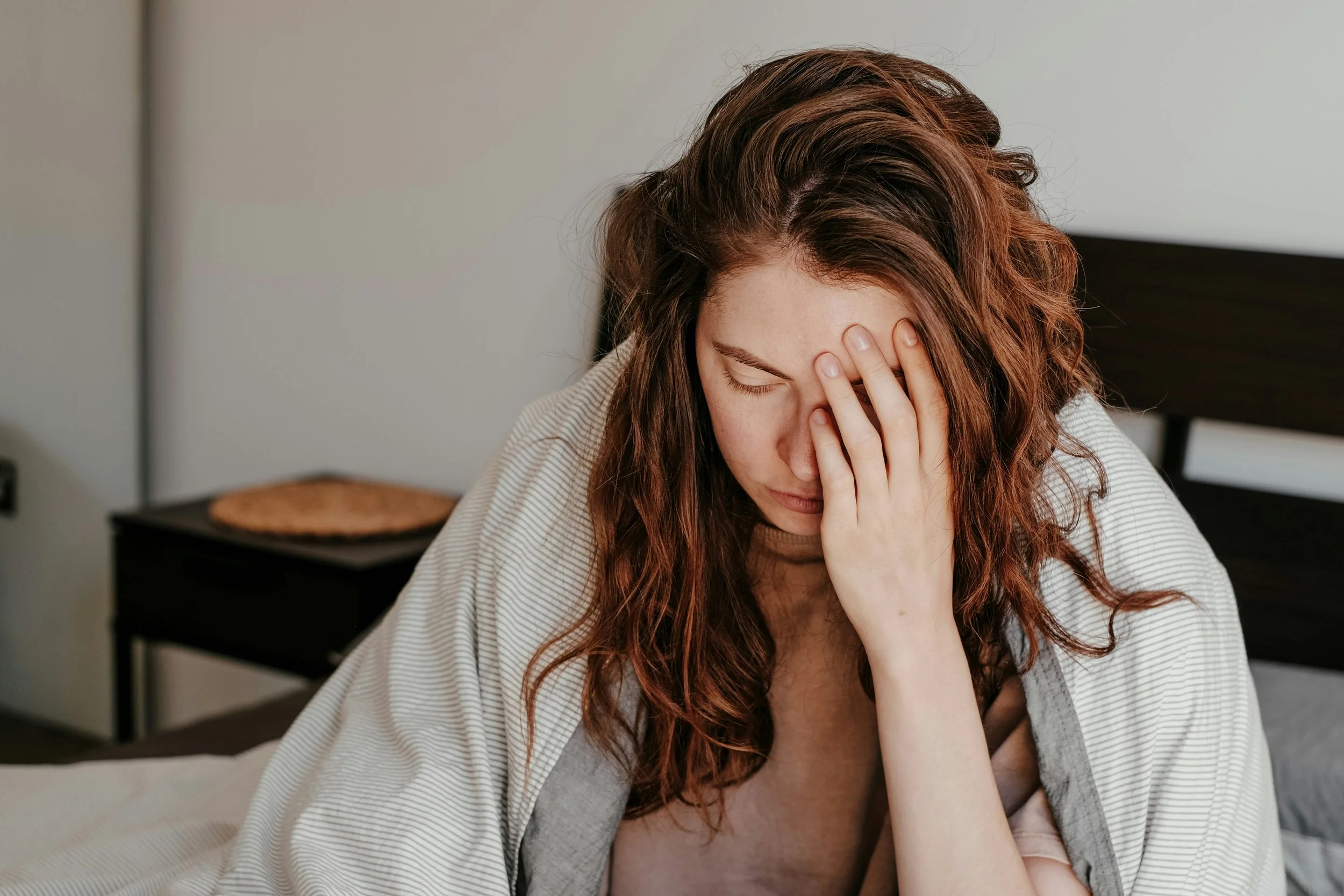
Migraine Can Be Challenging to Treat — but Options Still Exist
Migraine can be challenging to treat because it does not always follow a simple pattern. Triggers, symptoms, medication response, and attack frequency can vary from person to person. For patients with persistent or difficult-to-control migraine, a layered and individualized plan may help reduce lost days, improve function, and create more confidence in daily life.

When Nerve Pain Takes Over Daily Life: Treatment Options Beyond Medication
Neuropathic pain can take over more than the painful area of the body. It can affect sleep, work, movement, relationships, mood, and the ability to plan a normal day.
For some patients, the pain feels burning, electric, stabbing, or hypersensitive. For others, it comes with tingling, numbness, weakness, or unpredictable flares. The pain may be difficult to explain because it does not always come with visible swelling or injury.
When nerve pain starts shaping every decision, treatment needs to focus on more than pain scores. The goal is to help patients regain function, confidence, and daily capacity.

What Neuropathic Pain Feels Like and Why It Happens
Neuropathic pain can be hard to describe. Patients often know something feels wrong, but the pain may not match what they expect from an injury, sore muscle, or inflamed joint.
Instead of aching or throbbing, neuropathic pain may feel burning, shooting, stabbing, tingling, prickling, electric, numb, cold, hot, or hypersensitive. Some patients feel pain from something that should not be painful, like clothing, bedsheets, water, or a light touch.
Because the symptoms can be unusual, some people spend months or years trying to explain what they are feeling before they get clearer answers.

Why Neuropathic Pain Can Be Challenging to Treat
Neuropathic pain can be uniquely frustrating for patients because it often does not behave like ordinary pain.
With many injuries, pain gradually improves as tissue heals. A sprained ankle, a surgical incision, or an inflamed joint may hurt for a period of time and then begin to calm down as the body repairs itself. Neuropathic pain is different. It can continue even after the original injury has healed. It can flare without an obvious trigger. It can feel burning, electric, stabbing, tingling, or painfully sensitive to touch.
For patients, this can be confusing and discouraging. They may be told that an image looks normal, a surgery was technically successful, or there is no new injury, while their pain remains very real.
That disconnect is one reason neuropathic pain can be so challenging to treat.

Ketamine for Neuropathic Pain: How It May Help Calm Overactive Pain Signals
Neuropathic pain can be hard to describe. Patients often know something feels wrong, but the pain may not match what they expect from an injury, sore muscle, or inflamed joint.
Instead of aching or throbbing, neuropathic pain may feel burning, shooting, stabbing, tingling, prickling, electric, numb, cold, hot, or hypersensitive. Some patients feel pain from something that should not be painful, like clothing, bedsheets, water, or a light touch.
Because the symptoms can be unusual, some people spend months or years trying to explain what they are feeling before they get clearer answers.
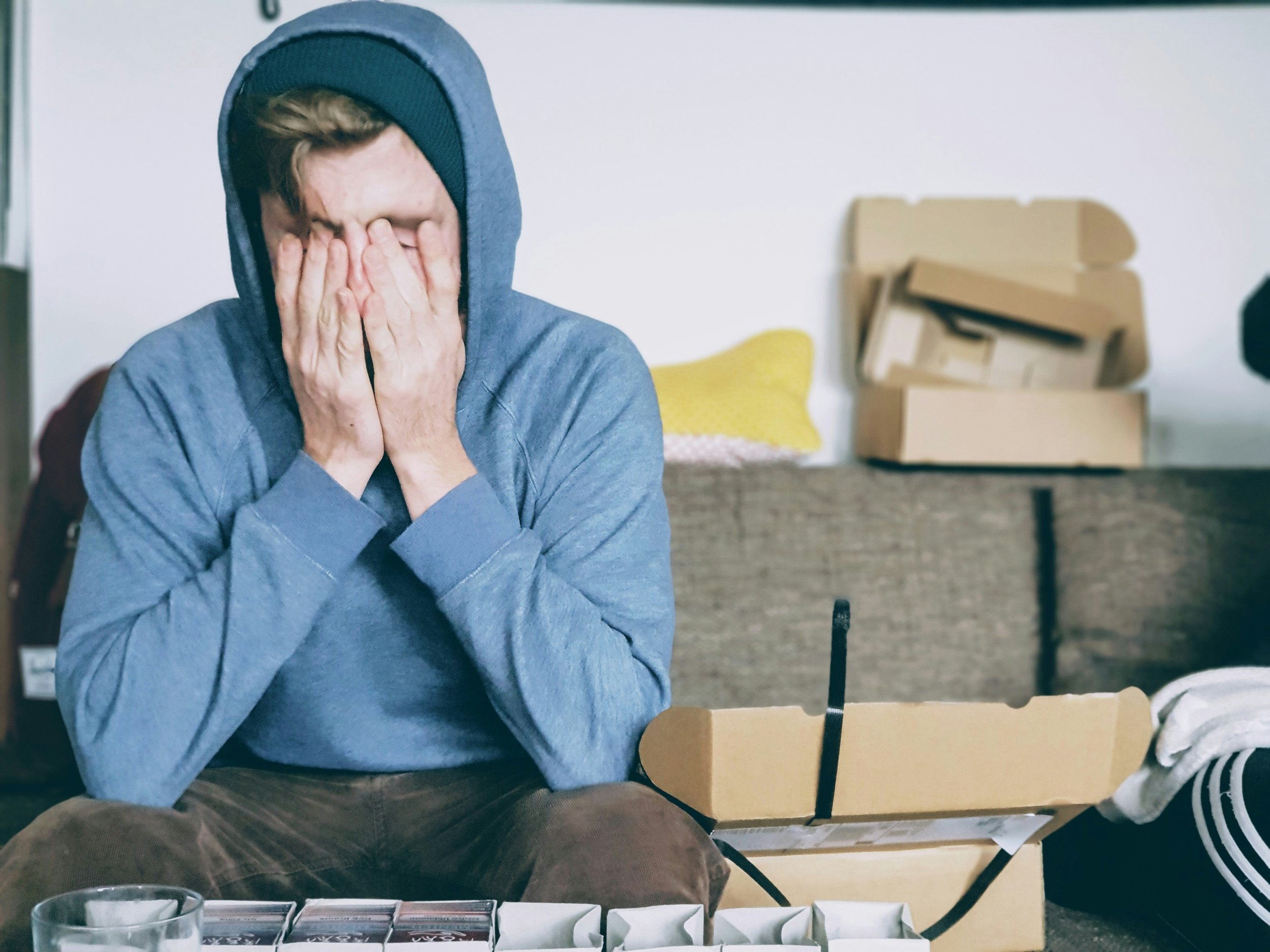
Ketamine for Migraine: How It May Help When Headache Pain Is Persistent or Severe
For patients with persistent, severe, or refractory migraine, ketamine therapy may be worth evaluating as part of a broader treatment plan. Because ketamine affects pain signaling and nervous system sensitivity, it may help selected patients reduce pain intensity, shorten difficult flares, and regain more capacity for work, sleep, family life, and other care.
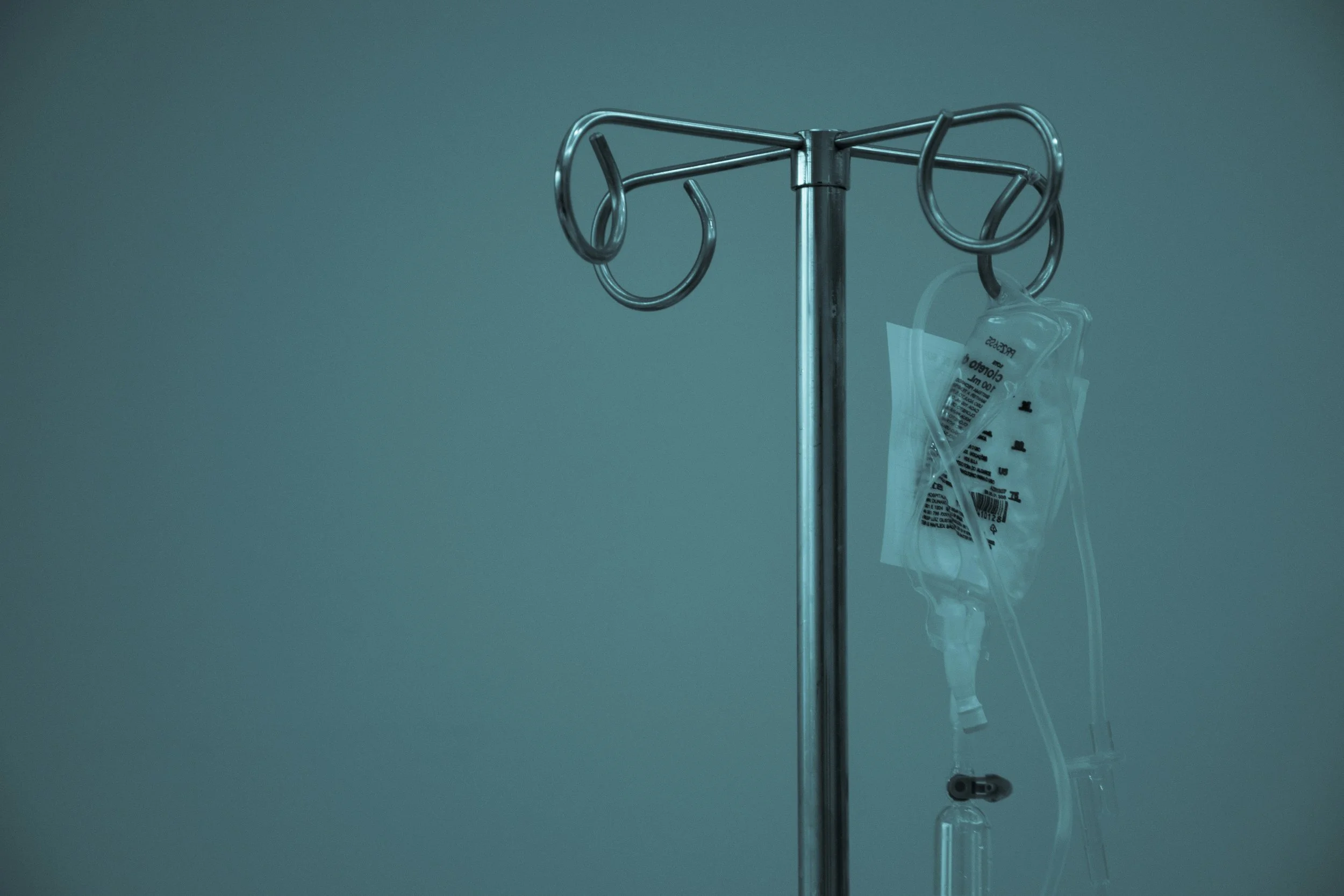
CRPS and Ketamine Therapy: Outcomes in Real Patients
Complex Regional Pain Syndrome (CRPS) is one of the most challenging chronic pain conditions clinicians encounter. Characterized by severe, disproportionate pain and nervous system dysregulation, CRPS often persists despite medications, physical therapy, nerve blocks, and surgical interventions.
In carefully selected patients with CRPS who have not responded to conventional treatments, physician-guided ketamine therapy may help reduce pain intensity, improve functional capacity, and support participation in broader multidisciplinary care. It is not curative and typically requires ongoing evaluation and maintenance.
For some patients, ketamine becomes part of the conversation only after years of unsuccessful treatment attempts. Understanding how it fits into real clinical courses can help referring providers evaluate appropriateness and set realistic expectations.

Why Sleep Disruption Makes Chronic Pain Harder To Manage
When you live with chronic pain, poor sleep is not just one more frustrating symptom. It can make pain feel louder, recovery feel slower, and daily life harder to handle.
A bad night of sleep can leave your body feeling more sensitive, less resilient, and less able to adapt to physical or emotional stress. Over time, that can turn pain and sleep into a difficult loop: pain interrupts sleep, poor sleep lowers your threshold for discomfort, and the next day feels harder from the start.
For many people, this is one of the most discouraging parts of chronic pain. You may be trying to do everything right and still feel like your body is working against you.
What It Means To “Reset Your Nervous System”
What does it actually mean to “reset” your nervous system? This article explains the common signs of stress overload, what is happening in the body, and how regulation and recovery become easier to access over time.

Ketamine for Chronic Pain: What Referring Providers Should Know
When is ketamine considered for chronic pain?
Ketamine may be considered for chronic pain when standard, multimodal treatments have not provided adequate relief and when central sensitization is suspected to play a significant role. It is not a first-line therapy and is evaluated as part of a broader, physician-guided care plan.
Chronic pain is one of the most complex clinical challenges providers manage. While many patients improve with medications, physical therapy, interventional procedures, and behavioral support, others continue to experience persistent pain that interferes with function and quality of life.
For referring providers, understanding where ketamine fits, which patients may be appropriate, and how care is coordinated is essential to responsible referral and continuity of care.