


Care For Persistent Mental Health CHALLENGES
If you have tried medication, therapy, or other treatments and still do not feel like yourself, ketamine therapy may be worth considering.
Vitalitas provides careful screening, physician-led treatment, and clear next steps in a calm, medically monitored setting.
Thoughtful care and rigorous screening
Mental health symptoms can affect sleep, focus, mood, relationships, stress tolerance, and daily life. Many people who reach out to Vitalitas have already tried medication, therapy, or other support and are still looking for relief.
The first step is a careful review of your history, current symptoms, medications, prior treatment, and overall clinical picture. If ketamine therapy may be appropriate, we walk you through the plan, what to expect, and how we gauge whether it’s working for you.
we’re here to make the process clear, comfortable, and tailored to you.
WHY KETAMINE MAY BE WORTH CONSIDERING
Many people come to Vitalitas after trying medication, therapy, lifestyle changes, or other support without enough relief. Ketamine is not a cure or a guarantee, but it may be a meaningful option when symptoms are still affecting daily life.

A DIFFERENT KIND OF OPTION
Ketamine works differently from many standard mental health medications. For some people, that matters when other treatments have helped only a little, stopped working, or caused side effects that were hard to tolerate.

QUALITY OF LIFE
When treatment is helpful, patients may notice changes in mood, sleep, stress tolerance, mental flexibility, or the ability to re-engage with therapy and daily life. Response varies, so we review each case carefully and track progress over time.
Mental Health Concerns We Commonly Treat
Many people come to Vitalitas with more than one diagnosis or a mix of symptoms that overlap. We evaluate the full clinical picture, including your symptoms, treatment history, medications, current care team, and what kind of support may help next.
-
Treatment-resistant depression refers to cases where the patient has not gotten enough relief after trying at least two different classes of antidepressant medication, or has been unable to tolerate standard medications because of side effects.
Care often begins with a six-infusion series, followed by a review of response before any maintenance plan is recommended. Ongoing treatment decisions are individualized and guided by patient-reported benefit, internal tracking tools, and clinical judgment.
Learn More About Treatment-Resistant Depression Care at Vitalitas
-
We explore IV ketamine for anxiety symptoms that continue to interfere with daily life, when standard treatment has not helped enough or has been difficult to tolerate.
Care typically begins with a structured infusion series in a calm, medically monitored setting, with next steps guided by the patient’s response, symptom pattern, safety, and clinical judgment.
-
PTSD can involve intrusive memories, avoidance, changes in mood or thinking, and intense emotional reactions that continue to disrupt daily life even after therapy, medication, or other support.
Vitalitas evaluates PTSD with attention to the patient’s trauma history, current symptoms, prior treatment, and referring provider’s recommendations. Care is physician-led and medically monitored, with treatment and maintenance planning guided by symptom response, trigger patterns, overall functioning, and clinical judgment.
-
Obsessive compulsive disorder (OCD) is a mental health condition involving intrusive, unwanted thoughts and repetitive behaviors or mental rituals that can become difficult to interrupt.
Vitalitas may consider IV ketamine intervention when OCD symptoms remain disruptive despite conservative treatment, or when the broader clinical picture suggests it may be a reasonable next step.
PATIENT EXPERIENCES
“Everyone at Vitalitas is like family. Every time I come in, I feel good because of them, even before the treatment. If it weren’t for ketamine, I honestly don’t know if I’d be here. Sometimes you hear people say that and you think they’re being dramatic, but I’m not.”
— AMY, PTSD
“I had tried everything and felt completely hopeless and alone. The doctors and nurses truly cared and wanted me to have a better life. They listened. I felt safe. Ketamine opened my heart again. It reminds me why I want to be alive. I’m a completely different person now.”
— MAX, TRD
“The best emotional takeaway is that it gave me back my enthusiasm for doing things. It took several weeks before I noticed a difference. It was gradual, not a miraculous transformation. Ketamine got me interested in doing things again; it gave me my retirement back.”
— Charles, TRD
A realistic view of outcomes
Some people notice a big change. Others notice smaller changes that still matter, like better sleep, fewer intrusive thoughts, less symptom intensity, or more ability to handle daily stress.
Ketamine therapy is not a guarantee, and it is usually not one-and-done. We track response over time and help you understand whether treatment is helping enough to continue.
Want To Know What A Visit Is Like?
Learn what happens before, during, and after treatment, including how to prepare, what the infusion experience may feel like, how recovery works, and why you need a ride home.
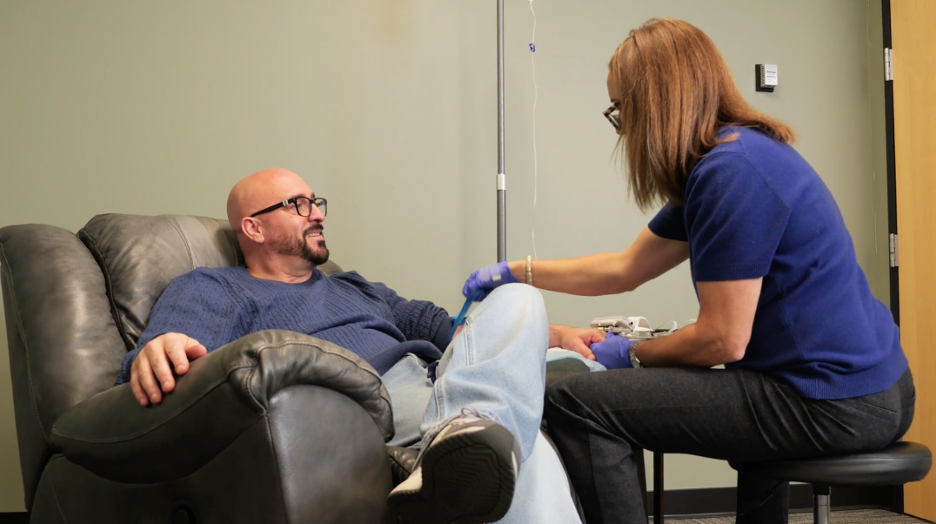
OUR process is clear, calm, and medically supported.
Helpful Planning Details

Safety
How we screen patients, monitor treatment, and decide whether outpatient care is appropriate.

Pricing
Clear pricing, payment options, and documentation support for possible reimbursement.

Locations
Parking, directions, entry details, and clinic information to help you plan your visit.
Mental Health CONDITION FAQs
-
Some patients are referred by a psychiatrist, therapist, primary care clinician, or other provider. Others reach out directly, with intake completed through our psychiatric nurse practitioner.
If care coordination would be helpful, we can talk through that during the consultation.
We require an Acknowledgement of Ongoing Care (AOC) from your mental health provider.
-
No. Ketamine therapy should not be thought of as a cure or a one-time fix. Some people notice a major change, while others notice smaller improvements that still matter, like better sleep, less symptom intensity, fewer intrusive thoughts, or more ability to handle daily life.
For mental health care, Vitalitas usually recommends an initial series rather than a single infusion. If treatment is helping, many patients continue with maintenance infusions at an interval that fits their response. We track progress over time, talk with you about what is changing, and help you decide whether the benefit is meaningful enough to continue.
-
We start by reviewing your medical history, mental health history, current medications, symptoms, prior treatment, and overall clinical picture. The goal is to make sure ketamine therapy may be appropriate for you and that treatment can be provided safely in an outpatient setting.
If it looks like a reasonable fit, we will talk through the treatment plan, what to expect, and how we will monitor your response over time. If it does not look like the right fit, we will tell you directly and help you understand why. Current medications are reviewed before treatment begins, and patients should not stop antidepressant medications just to receive ketamine therapy.
-
That is possible. Ketamine helps many people, but it does not work for everyone, and Vitalitas does not recommend continuing treatment without a good reason.
We track your response during the initial treatment series and talk with you about what is changing, what is not changing, and whether the benefit feels meaningful enough to continue. If treatment is not helping enough, we will be honest about that and discuss appropriate next steps.

Ready To Talk Through Your Options?
If you have tried other treatments and are still struggling, the next step is a conversation. We will review your history, answer your questions, and help you understand whether Vitalitas may be an appropriate fit.