


What Happens After Ketamine Treatment for Depression?
For many patients with treatment-resistant depression, the first question is whether ketamine therapy might help. The next question is just as important:
What happens after the first series of treatments?
Ketamine is often discussed because it may work more quickly than traditional antidepressants for some patients. But long-term progress usually depends on more than a single infusion or a brief initial series. For patients who respond, maintenance planning can be an important part of care.
At Vitalitas Denver, the goal is not only to help patients feel better for a few days. The goal is to understand whether ketamine is creating meaningful improvement, how long that improvement lasts, and what kind of follow-up plan may help preserve it.
Migraine Can Be Challenging to Treat — but Options Still Exist
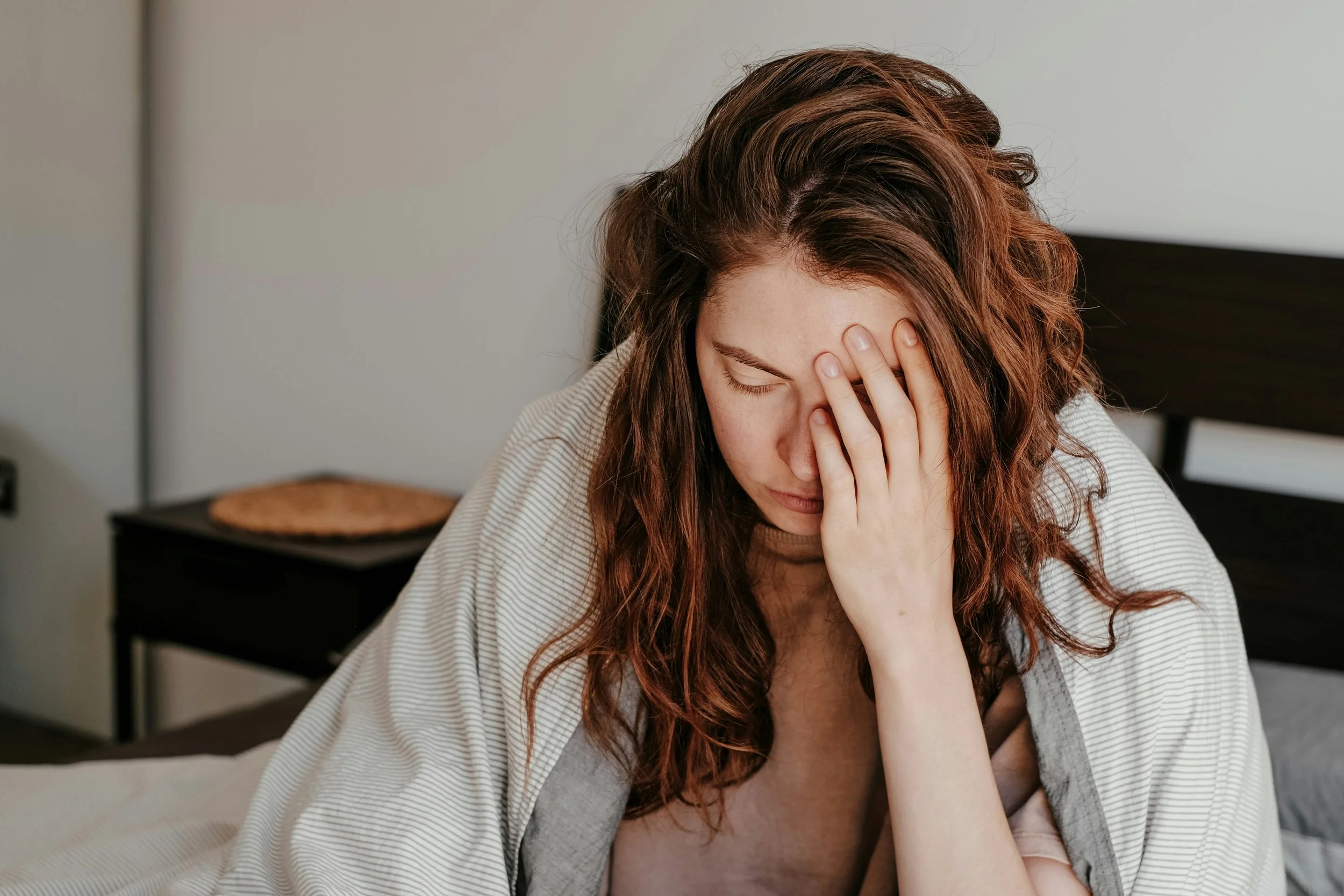
Migraine can be challenging to treat because it does not always follow a simple pattern. Triggers, symptoms, medication response, and attack frequency can vary from person to person. For patients with persistent or difficult-to-control migraine, a layered and individualized plan may help reduce lost days, improve function, and create more confidence in daily life.
What Is Treatment-Resistant Depression?
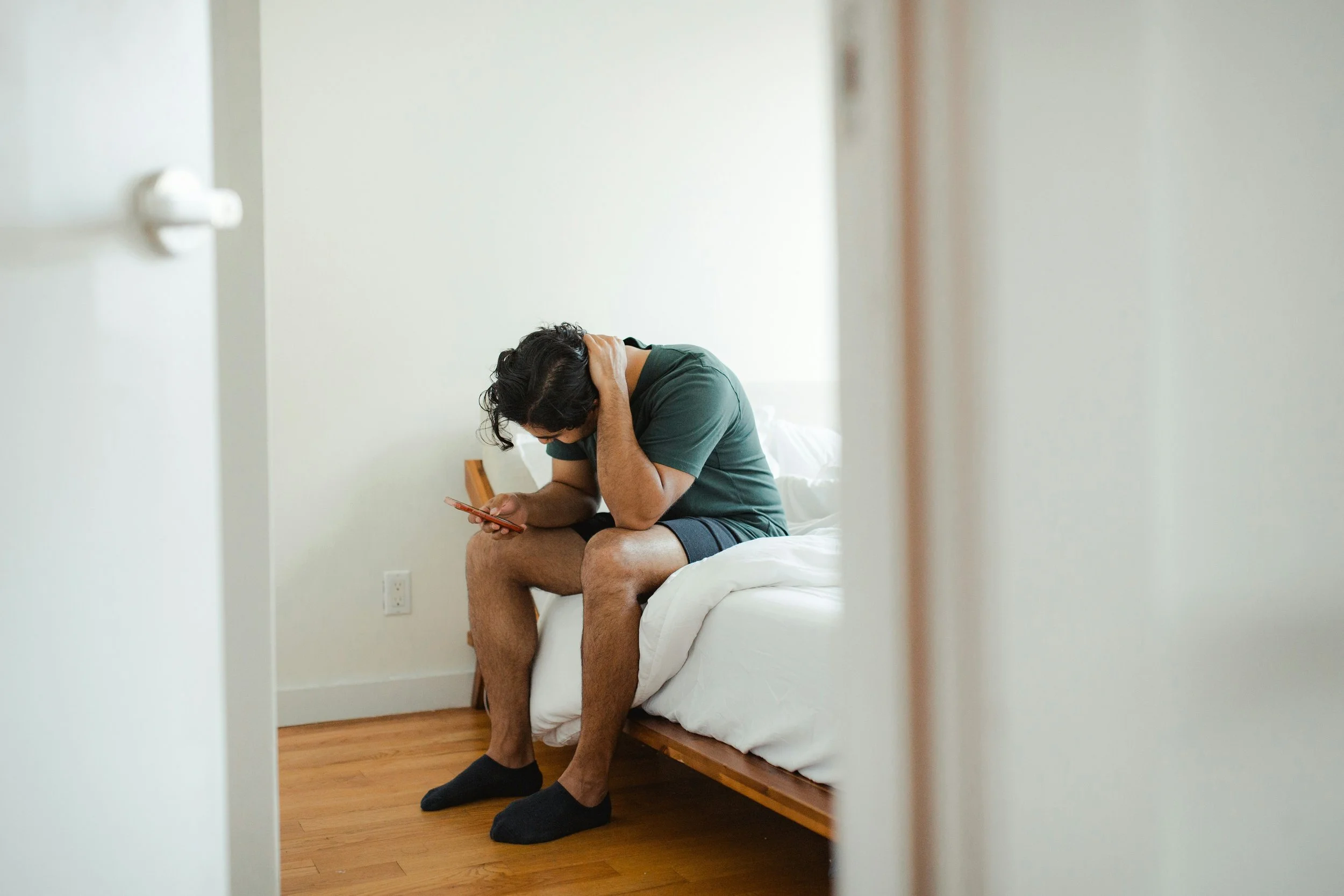
Depression is not the same for every patient. For some people, symptoms improve with therapy, lifestyle support, medication, or a combination of approaches. For others, depression persists even after they have tried multiple standard treatments.
That is often when the phrase “treatment-resistant depression” enters the conversation.
Treatment-resistant depression does not mean a person is untreatable. It means their depression has not responded adequately to the treatments that usually help many patients. For patients and providers, that distinction matters. Treatment-resistant depression can feel discouraging, but it also helps identify when it may be time to consider additional options.

When Nerve Pain Takes Over Daily Life: Treatment Options Beyond Medication
Neuropathic pain can take over more than the painful area of the body. It can affect sleep, work, movement, relationships, mood, and the ability to plan a normal day.
For some patients, the pain feels burning, electric, stabbing, or hypersensitive. For others, it comes with tingling, numbness, weakness, or unpredictable flares. The pain may be difficult to explain because it does not always come with visible swelling or injury.
When nerve pain starts shaping every decision, treatment needs to focus on more than pain scores. The goal is to help patients regain function, confidence, and daily capacity.

What Neuropathic Pain Feels Like and Why It Happens
Neuropathic pain can be hard to describe. Patients often know something feels wrong, but the pain may not match what they expect from an injury, sore muscle, or inflamed joint.
Instead of aching or throbbing, neuropathic pain may feel burning, shooting, stabbing, tingling, prickling, electric, numb, cold, hot, or hypersensitive. Some patients feel pain from something that should not be painful, like clothing, bedsheets, water, or a light touch.
Because the symptoms can be unusual, some people spend months or years trying to explain what they are feeling before they get clearer answers.

Why Neuropathic Pain Can Be Challenging to Treat
Neuropathic pain can be uniquely frustrating for patients because it often does not behave like ordinary pain.
With many injuries, pain gradually improves as tissue heals. A sprained ankle, a surgical incision, or an inflamed joint may hurt for a period of time and then begin to calm down as the body repairs itself. Neuropathic pain is different. It can continue even after the original injury has healed. It can flare without an obvious trigger. It can feel burning, electric, stabbing, tingling, or painfully sensitive to touch.
For patients, this can be confusing and discouraging. They may be told that an image looks normal, a surgery was technically successful, or there is no new injury, while their pain remains very real.
That disconnect is one reason neuropathic pain can be so challenging to treat.

Ketamine for Neuropathic Pain: How It May Help Calm Overactive Pain Signals
Neuropathic pain can be hard to describe. Patients often know something feels wrong, but the pain may not match what they expect from an injury, sore muscle, or inflamed joint.
Instead of aching or throbbing, neuropathic pain may feel burning, shooting, stabbing, tingling, prickling, electric, numb, cold, hot, or hypersensitive. Some patients feel pain from something that should not be painful, like clothing, bedsheets, water, or a light touch.
Because the symptoms can be unusual, some people spend months or years trying to explain what they are feeling before they get clearer answers.
Ketamine for Migraine: How It May Help When Headache Pain Is Persistent or Severe
For patients with persistent, severe, or refractory migraine, ketamine therapy may be worth evaluating as part of a broader treatment plan. Because ketamine affects pain signaling and nervous system sensitivity, it may help selected patients reduce pain intensity, shorten difficult flares, and regain more capacity for work, sleep, family life, and other care.

When Migraine Takes Over Your Life: Treatment Options Beyond Standard Medication
Migraine can affect far more than head pain. It can interrupt work, sleep, parenting, relationships, travel, and the ability to think clearly. When migraine becomes frequent, severe, or difficult to control, care may need to look beyond standard medication alone and focus on reducing the overall burden of migraine in daily life.

When Anxiety Becomes More Than Everyday Stress
Anxiety is a normal response to stress, but clinical anxiety is more than everyday worry. When anxiety becomes persistent, overwhelming, physical, or disruptive to daily life, it can affect sleep, relationships, work, decision-making, and the ability to feel present. Understanding the difference between ordinary stress and anxiety that needs support can help patients take the next step toward care.
CRPS and Ketamine Therapy: Outcomes in Real Patients
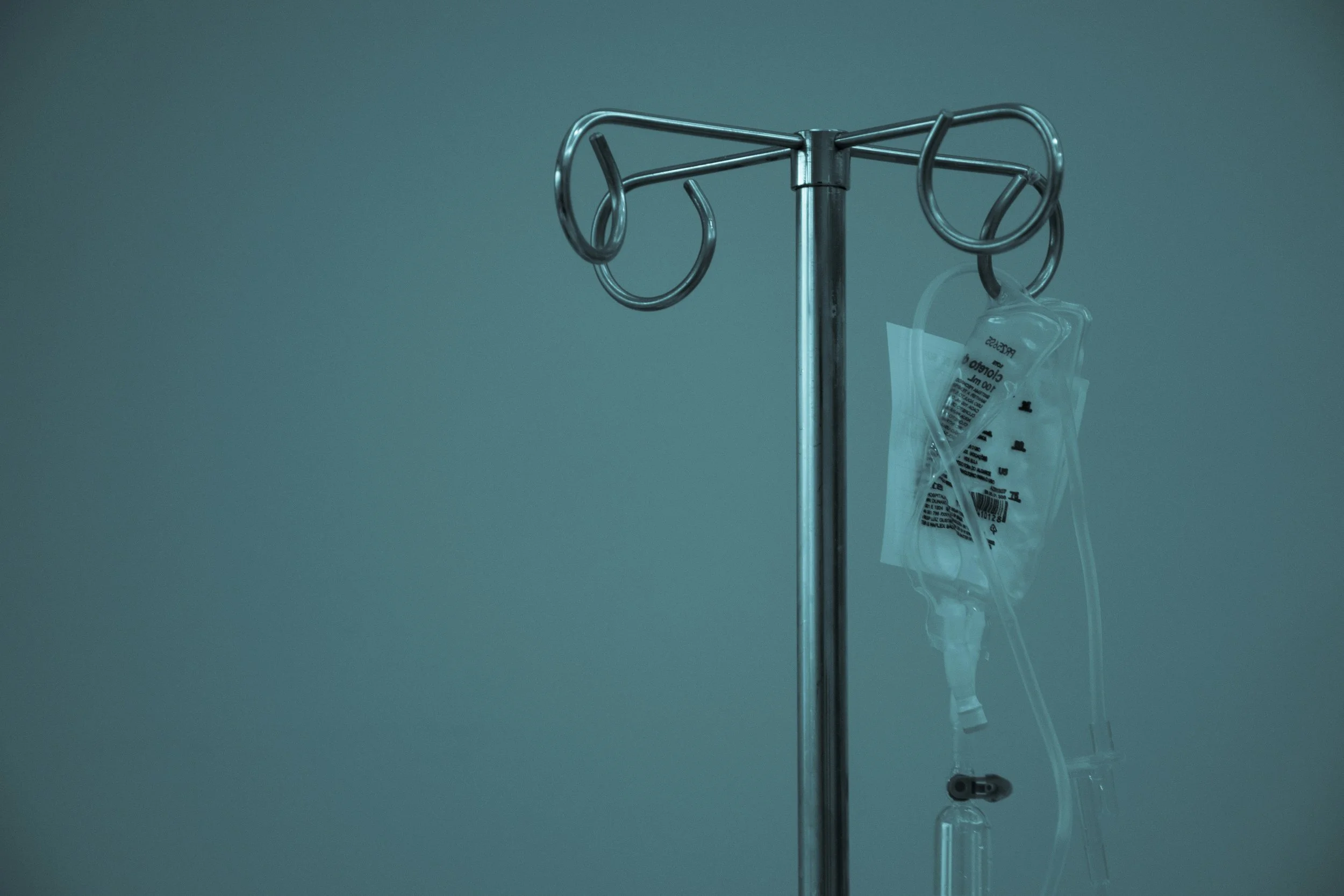
Complex Regional Pain Syndrome (CRPS) is one of the most challenging chronic pain conditions clinicians encounter. Characterized by severe, disproportionate pain and nervous system dysregulation, CRPS often persists despite medications, physical therapy, nerve blocks, and surgical interventions.
In carefully selected patients with CRPS who have not responded to conventional treatments, physician-guided ketamine therapy may help reduce pain intensity, improve functional capacity, and support participation in broader multidisciplinary care. It is not curative and typically requires ongoing evaluation and maintenance.
For some patients, ketamine becomes part of the conversation only after years of unsuccessful treatment attempts. Understanding how it fits into real clinical courses can help referring providers evaluate appropriateness and set realistic expectations.
Ketamine for Anxiety: How It May Help When Symptoms Stay Persistent
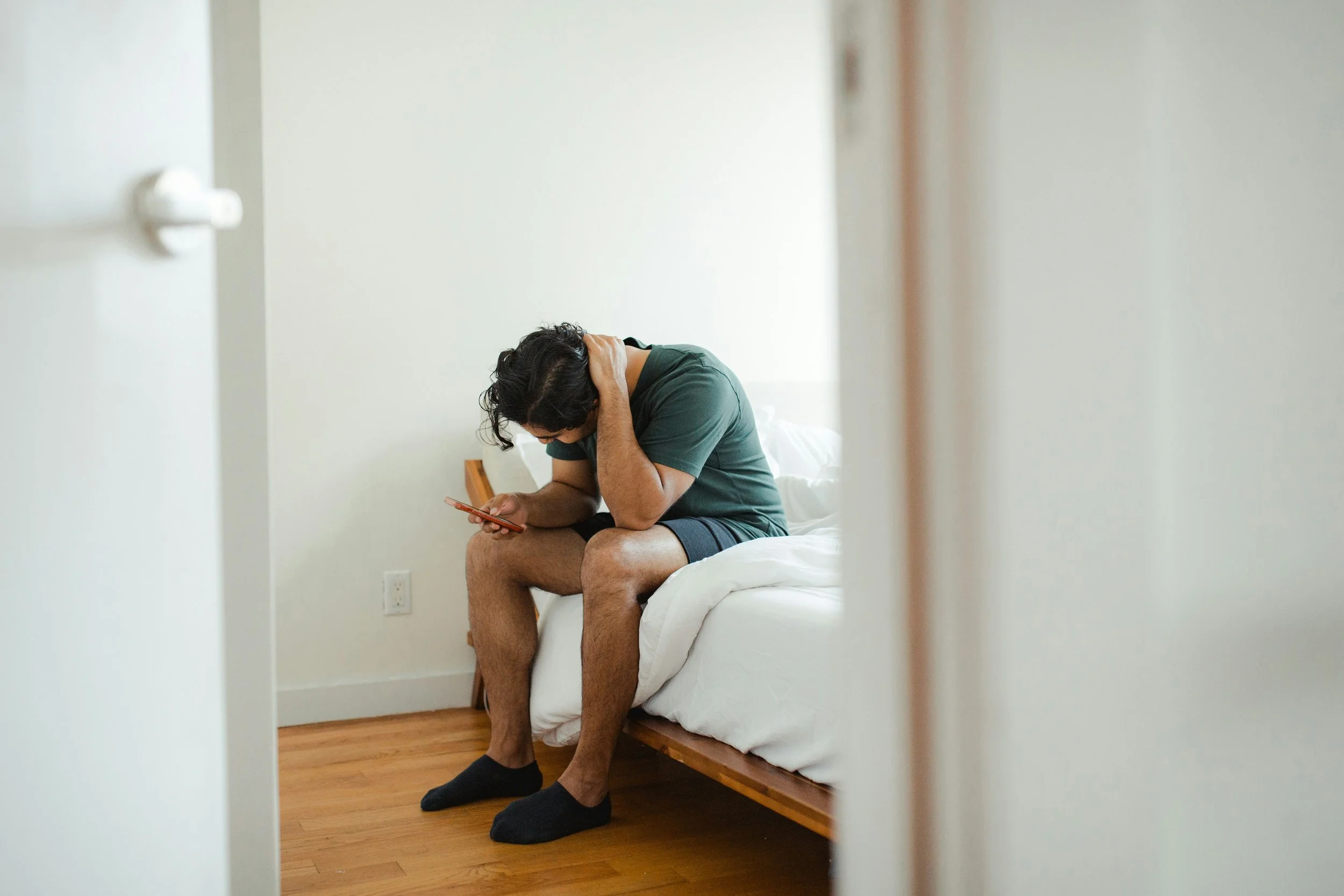
When anxiety does not let up, it can become a near-constant background state: racing thoughts, tension, panic, stomach discomfort, trouble sleeping, or the feeling that the body is always preparing for something bad to happen. For some patients, ketamine therapy may help reduce the intensity of anxious thought patterns and create more room for daily life, therapy, and long-term progress.

The Expanding Role of Anesthesiology in Modern Pain and Mental Health Care
Anesthesiology increasingly contributes to the care of complex pain and treatment-resistant mental health conditions by applying expertise in neurophysiology, pharmacology, and systems-level monitoring. This role extends beyond procedural care into multidisciplinary, longitudinal treatment models that address central nervous system dysregulation.¹
Traditionally, anesthesiology has focused on acute, time-limited interventions: perioperative anesthesia, procedural sedation, and critical care. Over the last decade, however, the specialty’s scope has expanded as neuroscience has clarified the shared mechanisms underlying chronic pain and certain psychiatric conditions.
This evolution reflects a broader shift in medicine away from siloed diagnoses and toward mechanism-informed care.
Emerging Uses of Ketamine in Complex Pain and Mood Conditions
One of the most clinically interesting shifts in the last decade is not just that ketamine can help certain patients with treatment-resistant depression. It is that the same medication has a history in anesthesiology and pain medicine, and it continues to be studied and used across both pain and mood contexts, with overlapping questions about mechanisms, patient selection, and safe implementation.¹⁻⁴
At the same time, it is exactly this “promise + complexity” combination that makes standards and restraint important. This is not casual medicine.

What Happens After A Referral: How Vitalitas Supports Continuity Of Care
When providers refer a patient for ketamine therapy, they are not trying to create a second care plan. They are trying to add a targeted intervention that supports the work already in motion, with clear guardrails and clear communication.
At Vitalitas Denver, our job after a referral is to make the handoff clean, keep communication tight, and protect continuity so the patient experiences one coherent plan, not a reset button on their whole clinical story.
Practicing Sustainable Medicine In High-Intensity Clinical Environments
You are not imagining it: high-intensity clinical work can make it feel like the job is never done, the needs are never fully met, and the “right thing” keeps expanding.
As clinicians, if we are not careful, we start responding to that pressure in one of two ways:
We overextend until we have nothing left.
We detach to survive, and our standards quietly erode.
I think there is a third option. You can practice sustainable medicine by making your standards explicit, setting boundaries that protect them, and building systems that reduce your load.

What High-Functioning Depression Can Look Like in Real Life
Sometimes it looks obvious, but other times it looks like falling behind, staying in bed longer than you’d hoped, or feeling visibly overwhelmed.
And sometimes it is possible to go to work, answer emails, take care of others, manage your responsibilities, and do everything you are supposed to do while quietly feeling flat, exhausted, disconnected, or unlike yourself.
That is part of what people mean when they talk about high-functioning depression.
It is not a formally differentiated diagnosis. But it describes a very real experience: someone can look capable on the outside while struggling in a serious way on the inside.

Why Sleep Disruption Makes Chronic Pain Harder To Manage
When you live with chronic pain, poor sleep is not just one more frustrating symptom. It can make pain feel louder, recovery feel slower, and daily life harder to handle.
A bad night of sleep can leave your body feeling more sensitive, less resilient, and less able to adapt to physical or emotional stress. Over time, that can turn pain and sleep into a difficult loop: pain interrupts sleep, poor sleep lowers your threshold for discomfort, and the next day feels harder from the start.
For many people, this is one of the most discouraging parts of chronic pain. You may be trying to do everything right and still feel like your body is working against you.
A Practical Self-Check: Am I A Candidate For Ketamine Therapy For Depression Or Anxiety?
This guide is designed for people exploring ketamine therapy for depression, anxiety, PTSD, and other mood-related symptoms, not chronic pain. It will help those with mood-related symptoms do a simple candidacy self-check and understand what happens next, including how to schedule an intake.

PTSD Symptoms That Often Get Missed
PTSD is often reduced to a few familiar images: flashbacks, nightmares, and obvious fear after trauma.
Those symptoms can absolutely be part of the picture. But they are not the whole picture, and they are not always the symptoms that disrupt daily life the most.
For many people, PTSD shows up in ways that are easier to overlook, explain away, or misread. It may look like irritability, poor sleep, difficulty concentrating, feeling emotionally shut down, staying constantly on edge, or avoiding situations that do not seem obviously connected to trauma at first glance. Authoritative PTSD symptom overviews from the National Institute of Mental Health and the VA’s National Center for PTSD both describe symptom clusters that include avoidance, negative changes in mood and thinking, and arousal symptoms like sleep problems, irritability, and concentration difficulty, not only flashbacks.
That is one reason PTSD can be missed, especially in people who are still functioning on the outside.