

Ketamine for Anxiety: How It May Help When Symptoms Stay Persistent
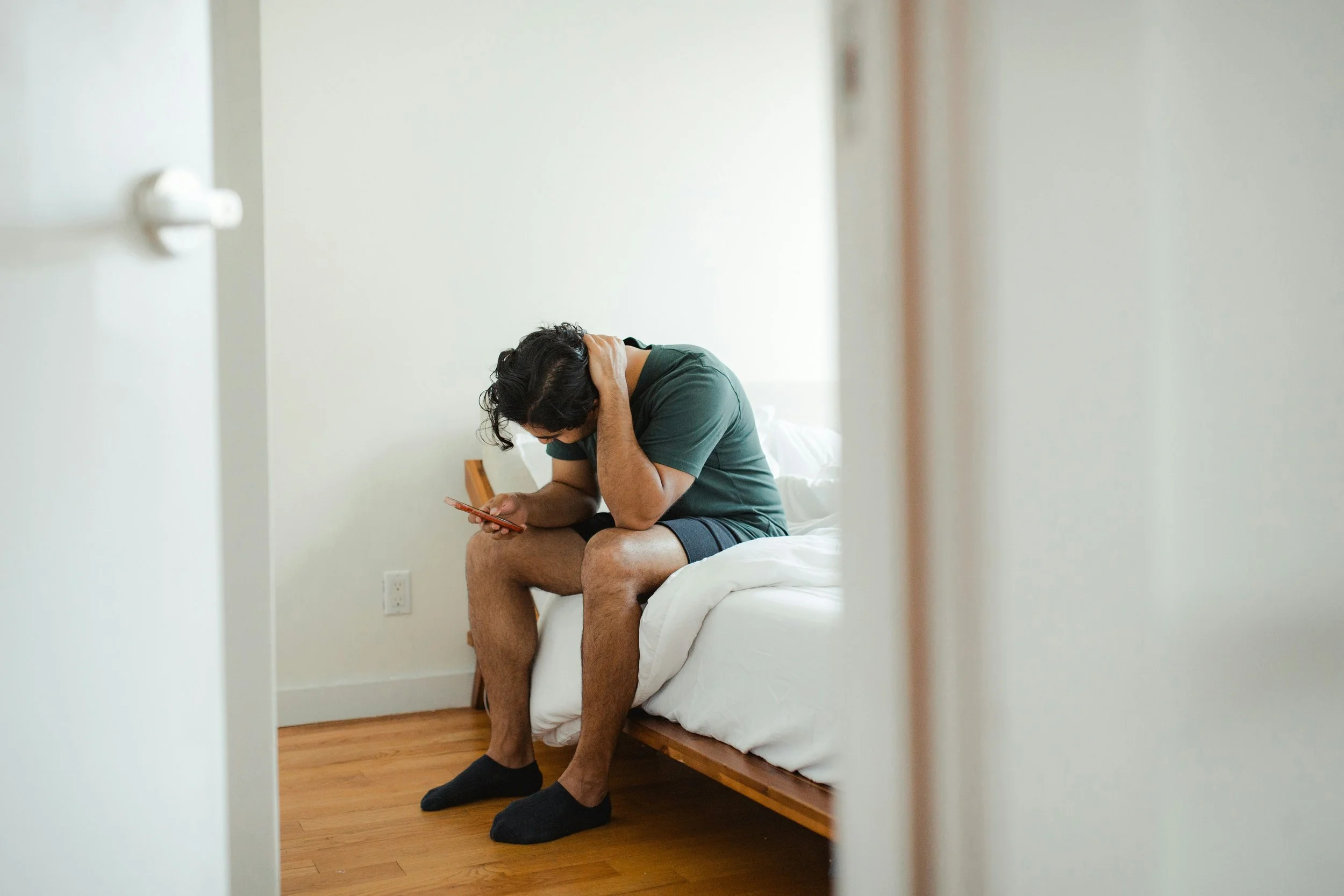
Anxiety can be exhausting when it does not let up.
For some people, anxiety comes in waves. For others, it becomes a near-constant background state: racing thoughts, tension, irritability, panic, dread, stomach discomfort, trouble sleeping, or the feeling that the body is always preparing for something bad to happen.
Many patients improve with therapy, medication, lifestyle support, or a combination of approaches. But some continue to struggle even after doing the work, trying medication, changing routines, and seeking support.
When anxiety remains persistent, ketamine therapy may be worth exploring as part of a broader care plan.
Why anxiety can become persistent
Anxiety involves both the mind and the nervous system. A person may know, logically, that they are safe, but their body may still feel activated. Their thoughts may keep scanning for risk, replaying conversations, predicting problems, or searching for certainty.
Over time, anxiety can become self-reinforcing. The person avoids something that feels threatening, feels relief for a moment, and then the fear becomes stronger the next time. Sleep worsens, the body stays tense, and daily life begins to revolve around keeping anxiety contained.
Persistent anxiety may show up as:
Excessive worry
Panic attacks
Avoidance
Irritability
Racing thoughts
Muscle tension
Trouble sleeping
Difficulty concentrating
Digestive discomfort
Social withdrawal
Fear of losing control
Overthinking or reassurance-seeking
Anxiety can also overlap with depression, PTSD, OCD, chronic pain, or chronic stress. That overlap can make symptoms feel heavier and more difficult to shift.
How ketamine works differently
Many traditional medications for anxiety and depression affect serotonin, norepinephrine, dopamine, or GABA-related pathways. Ketamine works differently. It acts in part through the glutamate system and NMDA receptors, which are involved in communication between brain cells, learning, mood regulation, and neuroplasticity.
That difference is one reason ketamine has become an area of interest for patients whose symptoms have not improved enough with standard approaches.
Research on ketamine for anxiety is still developing, but studies and reviews have described potential benefit for some patients with refractory anxiety symptoms, particularly when anxiety overlaps with depression or other persistent mental health conditions.
What ketamine may help with
For selected patients, ketamine may help reduce the intensity of anxious thought patterns and create more room between a trigger and a reaction.
Patients may notice:
Less emotional intensity
More ability to pause
Fewer spiraling thoughts
Reduced dread
More flexibility
Better mood
More capacity for therapy
More ability to engage in daily life
For some people, the most important change is not that anxiety disappears. It is that anxiety becomes less dominant.
Anxiety, depression, and ketamine
Anxiety and depression often overlap. A person may feel restless, tense, and worried while also feeling depleted, hopeless, or emotionally heavy. Anxiety can interfere with sleep and recovery. Depression can make anxiety feel harder to manage.
Ketamine has been studied more extensively for treatment-resistant depression than for anxiety alone. Because many patients experience both depression and anxiety, improvement in mood may also help reduce anxiety symptoms.
At Vitalitas Denver, the evaluation looks at the full symptom picture. The question is not only, “Do you have anxiety?” It is also:
What kind of anxiety symptoms are present?
How long have symptoms been affecting daily life?
What treatments have been tried?
Is depression part of the picture?
Are PTSD, OCD, chronic pain, or sleep problems also present?
What would meaningful relief look like?
That broader view helps determine whether ketamine may be a reasonable option.
Ketamine and therapy can support each other
Ketamine does not need to stand apart from therapy. For many patients, it may be most useful when it helps create enough relief or flexibility to engage more fully in therapy and daily life.
When anxiety is intense, therapy can feel difficult because the nervous system is already overwhelmed. If ketamine helps reduce intensity, patients may have more capacity to practice new responses, challenge avoidance, process emotions, or rebuild routines.
The goal is to help anxiety take up less space, so the patient has more room to participate in the parts of care that support long-term progress.
What treatment at Vitalitas looks like
Vitalitas Denver provides physician-led, medically supervised ketamine therapy. Before treatment, patients complete an evaluation that reviews medical history, mental health history, medications, symptoms, prior treatment, and goals.
During treatment, patients are monitored in a clinical setting. After treatment, response is evaluated to understand what changed, how long benefit lasted, and whether additional treatment may be helpful.
The approach is individualized. Some patients are seeking relief from anxiety that overlaps with depression. Others are dealing with trauma symptoms, OCD patterns, chronic stress, or longstanding treatment resistance. The treatment plan should reflect the person, not just the diagnosis.
What progress can look like
Progress with anxiety may be practical.
It may look like:
Sleeping better
Less panic
Fewer spirals
More ability to leave the house
Less avoidance
More capacity for work or parenting
More confidence in decisions
Better connection with loved ones
Less physical tension
More willingness to participate in therapy
Even partial relief can matter when anxiety has been controlling too much of daily life.
Contact Vitalitas Denver
If anxiety symptoms remain persistent despite standard support, Vitalitas Denver can help you understand whether ketamine therapy may be appropriate as part of a broader mental health plan.
To ask questions or schedule a consultation, contact us.