


Ketamine Therapy for PTSD Treatment
When the Past Still Feels Present
If trauma-related symptoms are persistent, disruptive, or affecting your daily life and you’re exploring additional options, start here.
Vitalitas offers physician-led evaluation for ketamine therapy in a medically supervised setting, with conservative screening, careful monitoring, and clear next steps.
When PTSD symptoms persist, ketamine therapy may offer a new path forward.
Why Ketamine Therapy May Help PTSD

A Different Clinical Pathway
Ketamine does not work like most traditional psychiatric medications. It acts on the brain’s glutamate system, which plays a role in mood, learning, stress response, and neural connection.
For some people with PTSD or trauma-related symptoms, that different pathway may help loosen rigid patterns tied to hypervigilance, avoidance, emotional shutdown, or a nervous system that stays on high alert.

A Quicker Read On Relief
Many trauma-related symptoms can feel persistent, repetitive, or hard to interrupt. Ketamine can act more quickly for some people, which may help patients and clinicians see whether meaningful change is beginning sooner.
Response still varies, and ketamine does not “solve” trauma. But for some patients, it may reduce symptom burden enough to support daily life, therapy work, sleep, or a greater sense of internal space.
HOW WE EVALUATE CANDIDACY For Ketamine Treatment

Safety First
We provide ketamine therapy in a safe, supportive, and medically responsible way. Each patient is carefully evaluated to make sure treatment is appropriate.

final decision
Candidacy is a clinical decision made with you after reviewing your history, medications, and the realities of monitoring and aftercare.

Clinical fit
We consider whether ketamine therapy matches your symptoms, history, and goals, and whether standard approaches have been sufficient.
HOW Our Ketamine CARE WORKS
Our care process is structured, individualized, and designed to be easy to follow. We start with consultation and screening, then move forward only when treatment is clinically appropriate.
-
We begin with a clinical consultation to understand your symptoms, health history, current treatment, and goals. This helps us assess whether Vitalitas may be an appropriate fit and what additional information may be needed.
-
In order to provide the best care to our patients, we need to coordinate with the primary provider managing your mental health or chronic pain symptoms. This may be a PCP, psychiatrist, or therapist.
-
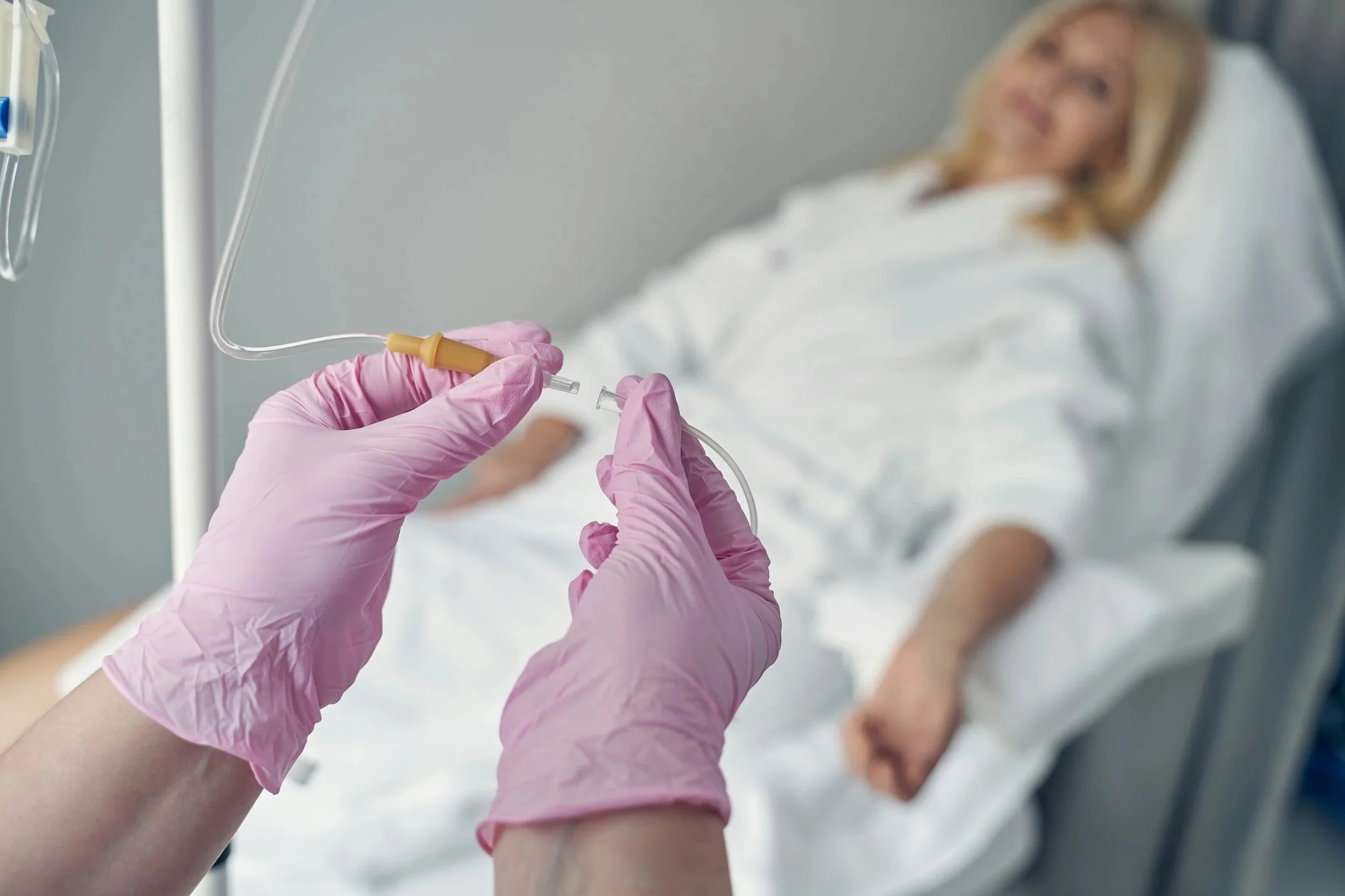
Treatment visits take place in a private room with physician oversight and clinical monitoring. Our team prioritizes safety, clarity, and a calm environment throughout the visit.
-
Follow-up is part of the care process. We review your response, monitor how you are doing, and adjust the plan when appropriate.
Our goal is clear, medically responsible care that supports continuity over time, not a one-size-fits-all experience.
Monitoring During Visits
Physician OVERSIGHT
Every infusion is overseen by a physician with experience in ketamine’s clinical use. Vitalitas is staffed to provide close medical monitoring throughout treatment.
Vital Sign Monitoring
During treatment, we monitor key vital signs such as heart rate, blood pressure, and oxygen saturation to help keep care safe and responsive.
Comfort During Treatment
We pay close attention to how you are feeling throughout the visit, not just what appears on a monitor. Your care team is prepared to respond to your needs in real time.
AMPLE RECOVERY TIME
We build in time after treatment to make sure you are recovering appropriately before you go home. Your care team monitors how you are doing and does not rush the discharge process.
VITALITAS Patient Experiences
I've been getting treatment for my PTSD, anxiety, depression amongst other things… Tiki is my doctor and he and everyone in the clinic are very nice… They also work with my mental health doctor… I’m a veteran and I go through the VA to get treatment… It has changed my life for the better in so many ways.
-Carrie R.
When I first walked through those doors, I was in one of the darkest periods I’ve ever known. I was scared, exhausted, and just hoping to feel a little peace again… Over time, the ketamine treatments helped me reconnect with myself. They gave me space to breathe, to feel, and to heal… Now I’m in a completely different place in life, healthy, grounded, and helping others heal too.
-Elizabeth C.
I was living in chaos and trauma… I sacrificed myself and lost who I was… I kept getting worse… If it weren’t for ketamine, I honestly don’t know if I’d be here. After the first treatment I walked out and thought, ‘Oh my God, the sky is blue.’ I felt this sense of relief, and it was immediate.
-Amy

Recent BLOGS About Ketamine for PTSD



Frequently Asked questions About Ketamine for PTSD Treatment
-
No referral is required to reach out to Vitalitas or schedule a consult. Some patients come through a therapist, psychiatrist, or primary care provider, while others contact us directly.
If you already have a provider involved in your care, we do require an Acknowledgement of Ongoing Care form to be filled out by the provider managing your mental health.
This may be a primary care doctor, psychiatrist, or therapist. It is important for every patient to have a provider managing their care outside of our clinic.
-
We look at your symptoms, medical history, mental health history, current medications, treatment history, and overall safety profile.
For PTSD and trauma-related symptoms, we also consider stability, support systems, current therapy work, dissociation, crisis risk, and whether outpatient ketamine care is appropriate at this time.
-
Ketamine does not erase trauma or replace trauma therapy. It may help some patients experience a shift in symptom burden, emotional flexibility, sleep, hypervigilance, reactivity, or the intensity of intrusive symptoms.
Response varies. The goal is not to force a breakthrough, but to evaluate whether medically supervised ketamine care may support meaningful change.
-
That is common, especially for people whose nervous systems are already on high alert. Before treatment begins, the team explains what to expect, how monitoring works, and what support is available during the visit.
You are not expected to come in feeling perfectly calm. The goal is for the experience to feel clear, supported, and medically supervised.
-
Many patients exploring ketamine for PTSD or trauma-related symptoms are also working with a therapist or mental health provider. Ketamine is not a replacement for that work.
For some patients, reducing symptom intensity may make therapy feel more accessible. When helpful and appropriate, Vitalitas can communicate with your outside providers to support continuity of care.

Ready to explore Your options?
Schedule a consultation at our Westminster or Littleton, Colorado location for a clear answer about fit, safety, and next steps.
Jeff is a Navy veteran, a medical professional, a husband, and a father of three. He spent 12 years in the Navy, primarily with the Marines, as a combat medic. He also spent many years overseas, including time in Iraq.
As he explains it, some things come home with you.
For Jeff, PTSD was not an abstract diagnosis. It affected how he moved through the world, how he slept, how he responded to stress, and how present he could be with the people he loved. He describes living in a state of hyperawareness: scanning, watching, adapting, pushing through, and completing the mission.
For years, he kept functioning. He worked. He built a career. He moved forward. But functioning is not the same as healing.