

Meet Dr. Eve Langston - Physician and Owner, Vitalitas Denver
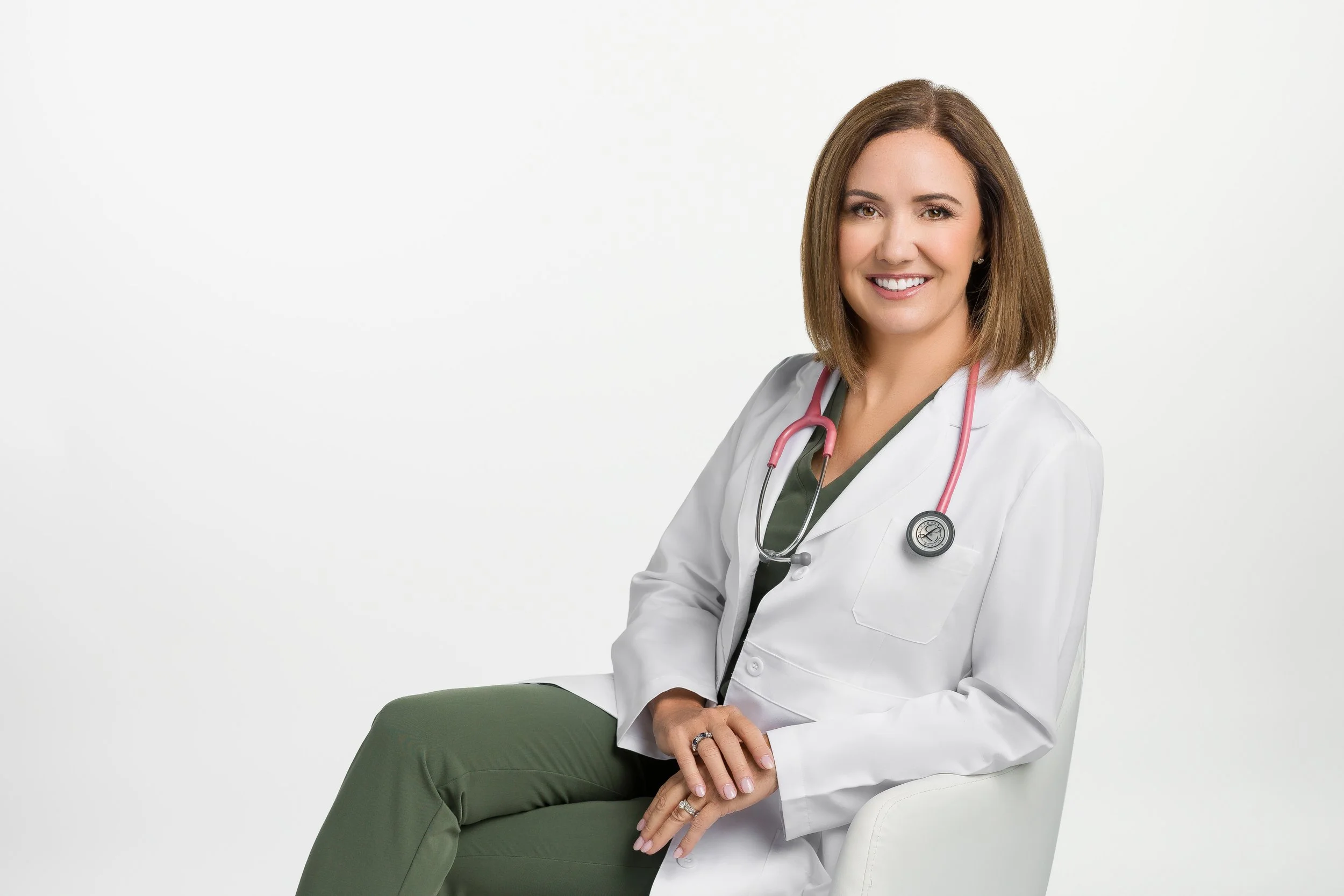
At Vitalitas Denver, ketamine therapy is medical care — physician-led, carefully screened, and closely monitored. Behind that standard is Dr. Eve Langston, a board-certified anesthesiologist who founded the practice nearly a decade ago and still leads patient care today.
We sat down with Dr. Langston to talk about her background, what sets Vitalitas apart, what a first visit is really like, and what she'd say to anyone feeling nervous about taking the first step. Here's the conversation, in her own words.
Tell us about your background. How did you come to this work?
I graduated from Loyola University Chicago Stritch School of Medicine, where I was elected to the Alpha Omega Alpha Honor Medical Society, and then completed my anesthesiology residency at Harvard's Brigham and Women's Hospital in Boston. Before focusing exclusively on ketamine treatment, I practiced in one of the largest anesthesia groups in the Denver metro area.
That anesthesiology background is directly relevant to what patients care about most here: careful judgment, appropriate monitoring, and medically grounded treatment in a setting that doesn't cut corners.
What makes Vitalitas different from other clinics?
We're a physician-led team, with board-certified anesthesiologists monitoring every infusion and participating directly in treatment. Unlike many other clinics, we offer a warm and comfortable environment that feels more like a home — while still practicing with the highest standards of medical safety, monitoring, and treatment protocols. That combination of compassion and clinical excellence is what sets us apart.
Ketamine usually isn't covered by insurance. How do you APPROACH cost?
We recognize that ketamine is usually not covered by insurance and that patients pay out of pocket for treatment. Because of that, we've always tried to keep our prices as low as possible. We've been open for nearly 10 years and are among the lowest-priced clinics in Denver. When you factor in that a physician is present at every infusion — something most clinics don't offer — we provide a tremendous amount of value for the price.
What can a patient expect on their first visit?
When patients arrive, they're greeted by our clinic manager, who is also a paramedic and very familiar with ketamine and how it's used. We always have a physician onsite. The physician meets with the patient, reviews the plan, and our care is individualized for each person's needs.
Every patient has a private room that we've designed to be warm, calming, and comfortable. During the infusion, patients are monitored with high-quality equipment, and nurses, paramedics, and a physician are present throughout. We want every step of the experience to feel safe, supported, and personalized.
What do you love most about running Vitalitas?
One of the things I enjoy most about running Vitalitas Denver is the ongoing relationships I've developed with patients. I see people once a month or once every couple of months, and I get to know them — hear about their families, their work, and how life is going. That's very different from the operating room, where you almost never see the same patient twice. Here, I get to form meaningful, long-term relationships with people, and that has been incredibly rewarding.
You've been doing this for nearly 10 years. What does that experience mean for patients?
My husband and I started Vitalitas Denver nearly 10 years ago, and we're the longest-operating ketamine clinic in the Denver metro area. Some of our patients have been with us since the day we opened. Over the years we've seen other clinics open and close, and many of those patients have come to us. We've treated many thousands of patients and have given more than 16,000 infusions. With that level of experience, I feel like we've truly seen it all. That experience helps us tailor protocols to each individual patient for the best possible outcome.
What would you say to someone who's nervous about their first treatment?
I recognize that ketamine is a very different medication, and there's a lot online that can make people unsure. Most patients come in nervous for their first infusion. But once they experience it, it becomes much easier to come back. The infusion itself lasts about 40 minutes, and it wears off very quickly afterward.
I always tell patients: just get through that first one, because we'll never know if it's going to help unless you try. And I've seen such huge benefits.
Ready to talk it through?
A consultation can answer your practical questions, explain how screening works, and help clarify whether ketamine therapy is worth exploring in your situation.