


Ketamine Therapy for CRPS Treatment
When Pain Feels Constant, Intense, or Hard to Control
If you are living with CRPS and pain, sensitivity, flares, or physical limitations are interfering with daily life, it may be time to explore additional treatment options.
Vitalitas provides physician-led evaluation for ketamine therapy for patients throughout the Denver Metro Area, with care available at our Westminster and Littleton, CO, locations.
Treatment is provided in a medically supervised setting with careful screening, ongoing monitoring, and clear guidance about appropriate next steps.
If pain keeps taking over, it’s reasonable to ask what else is possible.
Why Ketamine Therapy May Help with CRPS

A Different PAIN Pathway
Ketamine works through the glutamate system, which plays a role in pain signaling, nervous system sensitivity, and how the brain and body process pain.
For some people with CRPS, that pathway may be relevant when pain feels amplified, persistent, or out of proportion to what the body should be experiencing.

A SHOT AT REDUCED INTENSITY
CRPS can involve a pain system that feels stuck on high alert. Burning pain, sensitivity, flares, swelling, and movement limits can make daily life feel smaller and more guarded.
Ketamine is not a guaranteed fix, but for some patients, it may help reduce symptom burden enough to support function, rest, movement, or participation in other parts of care.
HOW WE EVALUATE CANDIDACY for Ketamine Therapy for PAin

Safety First
We provide ketamine therapy in a safe, supportive, and medically responsible way. Each patient is carefully evaluated to make sure treatment is appropriate.

final decision
Candidacy is a clinical decision made with you after reviewing your history, medications, and the realities of monitoring and aftercare.

Clinical fit
We consider whether ketamine therapy matches your symptoms, history, and goals, and whether standard approaches have been sufficient.
HOW Ketamine Treatment Process WORKS
Our care process is structured, individualized, and designed to be easy to follow. We start with consultation and screening, then move forward only when treatment is clinically appropriate.
-
We begin with a clinical consultation to understand your symptoms, health history, current treatment, and goals. This helps us assess whether Vitalitas may be an appropriate fit and what additional information may be needed.
-
In order to provide the best care to our patients, we need to coordinate with the primary provider managing your mental health or chronic pain symptoms. This may be a PCP, psychiatrist, or therapist.
-
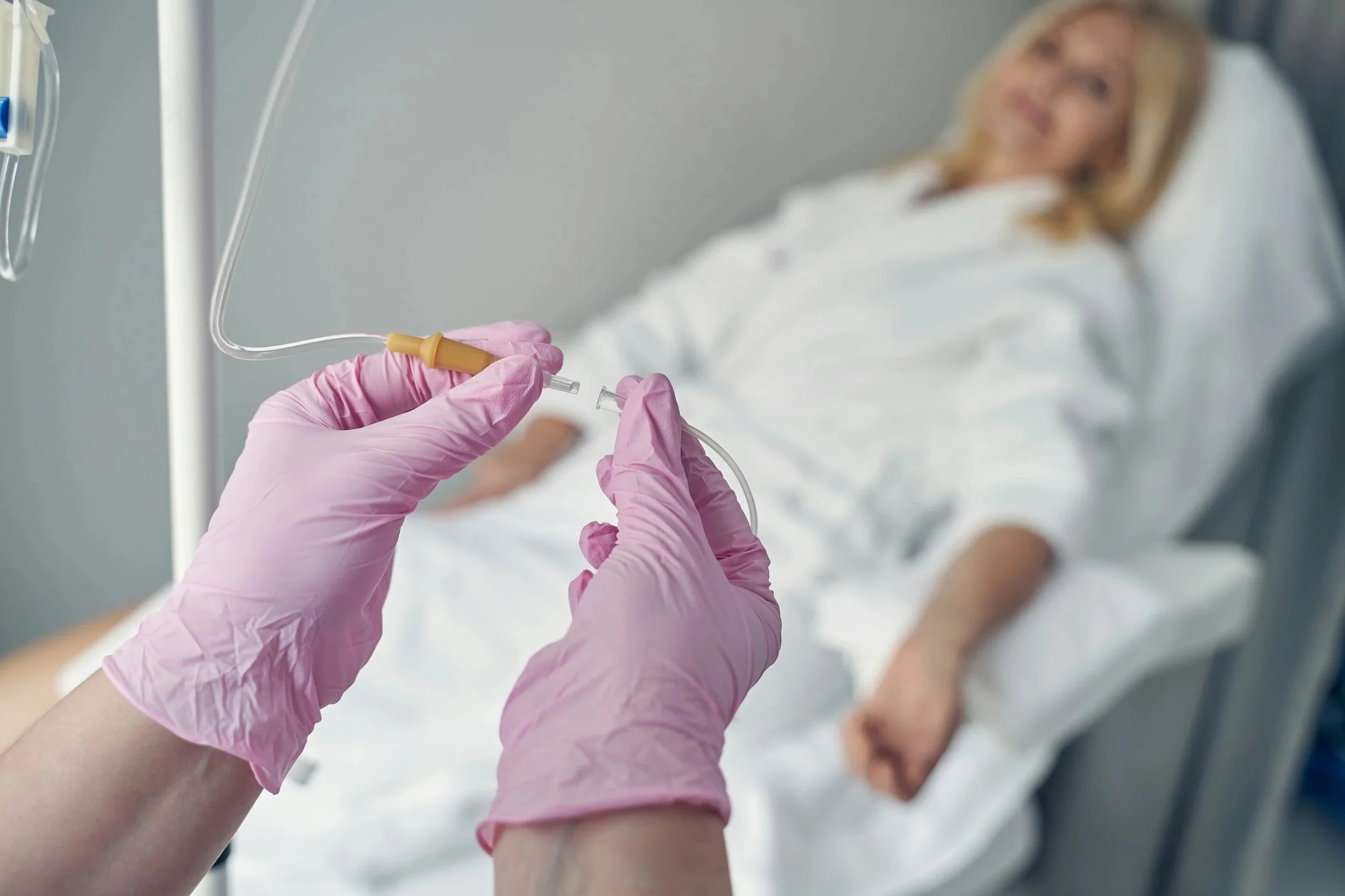
Treatment visits take place in a private room with physician oversight and clinical monitoring. Our team prioritizes safety, clarity, and a calm environment throughout the visit.
-
Follow-up is part of the care process. We review your response, monitor how you are doing, and adjust the plan when appropriate.
Our goal is clear, medically responsible care that supports continuity over time, not a one-size-fits-all experience.
Monitoring During Visits
Physician OVERSIGHT
Every infusion is overseen by a physician with experience in ketamine’s clinical use. Vitalitas is staffed to provide close medical monitoring throughout treatment.
Vital Sign Monitoring
During treatment, we monitor key vital signs such as heart rate, blood pressure, and oxygen saturation to help keep care safe and responsive.
Comfort During Treatment
We pay close attention to how you are feeling throughout the visit, not just what appears on a monitor. Your care team is prepared to respond to your needs in real time.
AMPLE RECOVERY TIME
We build in time after treatment to make sure you are recovering appropriately before you go home. Your care team monitors how you are doing and does not rush the discharge process.
VITALITAS Patient Experiences
“I spent a little over a year trying all kinds of pain management… injections, nerve blocks, acupuncture, physical therapy, all the oral medications. I tried everything… My pain specialist recommended ketamine, and it changed my life… During my very first treatment, ten minutes in, the pain went away. Now… I can pick up my grandkids, cook for them, they can spend the night, we travel. I do all that because of the ketamine and the people here who know what to do with it.”
-BARRY, CRPS
“I was running a 5K and I got hurt… After going to different doctors, they finally diagnosed me with complex regional pain syndrome. The pressure and the pain were ridiculous. I cannot live day to day with how this pain is. When I have ketamine, I get a break from all that pain. As long as I stay consistent, the pain isn’t as bad. When I finally found ketamine, it changed my life. I got out of bed for the first time in four or five months. My depression lifted, my anxiety lifted. Everything changed when I did ketamine.”
Missy, CRPS
“Vitalitas isn’t just a clinic, it’s a lifeline… I am a retired physician who has chronic pain from CRPS in all four extremities… They have helped me to enjoy life again. My wife, family and friends are happy to have the old me back too!”
BOB, CRPS

Recent BLOGS ON CRPS




Frequently Aksed Questions About Ketamine for CRPS
-
You do not necessarily need a referral to reach out, but many CRPS patients come to Vitalitas through a pain specialist, neurologist, primary care provider, or another clinician involved in their care.
Because CRPS care is highly individualized, physician evaluation is an important part of the process. We review your diagnosis, pain history, prior treatments, medications, overall health, and whether outpatient ketamine care may be appropriate for your situation.
When helpful, we may also coordinate with your existing care team so ketamine is considered within the broader pain management plan.
-
Candidacy is based on your diagnosis, pain history, medical history, current medications, prior treatments, safety profile, and what you are hoping ketamine may help improve.
For CRPS, we also look at symptom severity, flares, sensitivity, function, mobility limits, and whether outpatient ketamine care can be offered responsibly.
-
Ketamine is not a guaranteed fix, and response varies. For some patients with CRPS, ketamine may help reduce pain intensity, sensitivity, flare burden, or how much the pain system feels stuck on high alert.
The goal is not to promise full pain relief. The goal is to evaluate whether ketamine may reduce symptom burden enough to support function, rest, movement, or other parts of care.
-
Visit length depends on your treatment plan, but ketamine care is a monitored appointment, not a quick medication visit.
You will need a responsible adult to drive you home. You should not drive, work, make major decisions, or return to normal responsibilities immediately after treatment.
Because chronic pain infusions are typically longer than those for mental health, ride shares are likely not an option. You will need a friend or family member to coordinate your ride and get you settled at home. -
Progress is evaluated throughout care, including pain intensity, sensitivity, flare patterns, sleep, function, and what is changing in real life.
If ketamine is not the right fit or the response is not strong enough to continue, the team will talk with you about what that means and what next steps may be appropriate.
Ready to explore Ketamine Therapy for CRPS?
If CRPS symptoms are affecting your daily life, schedule a consultation with Vitalitas to discuss whether ketamine therapy may be an appropriate option for you. Our physician-led team serves patients throughout the Denver Metro Area from our Westminster and Littleton, CO, locations, with a focus on careful evaluation, safety, and clear next steps.