


Ketamine Therapy for Neuropathic Pain Management
When Burning, Tingling, or Shooting Pain Takes Over
Neuropathic pain can feel sharp, burning, electric, tingling, or difficult to predict. When symptoms continue to interfere with movement, sleep, work, or daily life, it may be worth discussing additional treatment options.
Vitalitas offers physician-led evaluation for ketamine therapy at our Westminster and Littleton, CO, clinics, serving patients throughout the Denver metro area. Care is provided in a medically supervised setting with careful screening, clinical monitoring, and clear guidance about appropriate next steps.
When pain feels hard to control, it’s worth exploring all your options.
HOW Ketamine Therapy for NEUROPATHIC PAIN may help you
Pain Signaling and Sensitivity
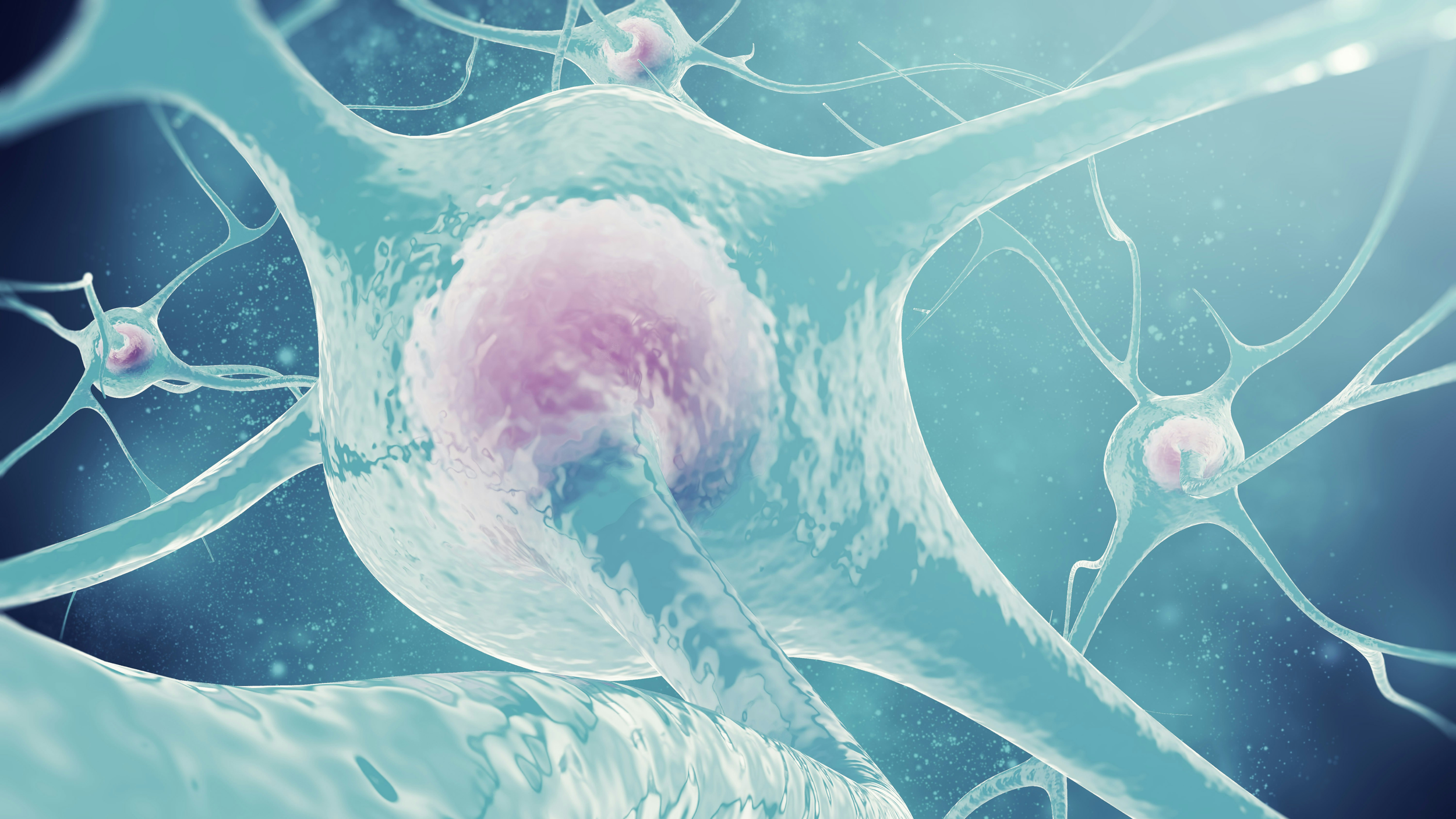
Neuropathic pain starts in the nerves, but it can affect the whole pain system. Burning, tingling, shooting, or electric pain may continue even when there is no new injury happening.
Ketamine works through the glutamate system, which plays a role in pain signaling and nervous system sensitivity. For some patients, that pathway may be relevant when nerve pain feels amplified or hard to calm.

Function, Rest, and Relief
Nerve pain can interfere with sleep, movement, work, focus, and daily routines. Even when pain does not disappear completely, reducing the intensity can still matter.
Ketamine is not a guaranteed fix, and response varies. For some patients, it may reduce symptom burden enough to support better rest, more function, or greater participation in other parts of care.
HOW WE EVALUATE CANDIDACY for Ketamine Therapy

Safety First
We provide ketamine therapy in a safe, supportive, and medically responsible way. Each patient is carefully evaluated to make sure treatment is appropriate.

final decision
Candidacy is a clinical decision made with you after reviewing your history, medications, and the realities of monitoring and aftercare.

Clinical fit
We consider whether ketamine therapy matches your symptoms, history, and goals, and whether standard approaches have been sufficient.
HOW Our Ketamine Therapy Process WORKS
Our care process is structured, individualized, and designed to be easy to follow. We start with consultation and screening, then move forward only when treatment is clinically appropriate.
-
We begin with a clinical consultation to understand your symptoms, health history, current treatment, and goals. This helps us assess whether Vitalitas may be an appropriate fit and what additional information may be needed.
-
In order to provide the best care to our patients, we need to coordinate with the primary provider managing your mental health or chronic pain symptoms. This may be a PCP, psychiatrist, or therapist.
-
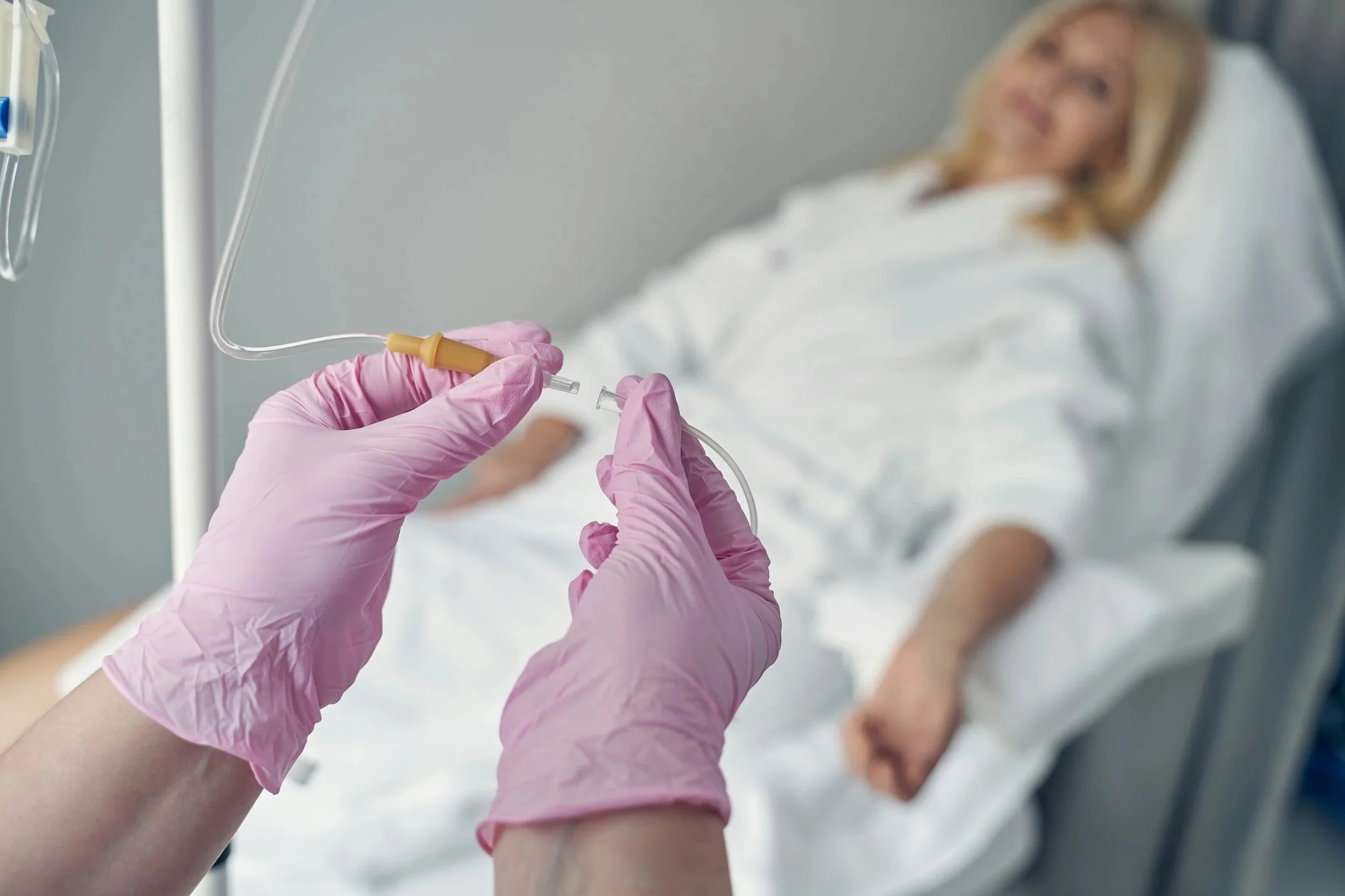
Treatment visits take place in a private room with physician oversight and clinical monitoring. Our team prioritizes safety, clarity, and a calm environment throughout the visit.
-
Follow-up is part of the care process. We review your response, monitor how you are doing, and adjust the plan when appropriate.
Our goal is clear, medically responsible care that supports continuity over time, not a one-size-fits-all experience.
Monitoring During Visits
Physician OVERSIGHT
Every infusion is overseen by a physician with experience in ketamine’s clinical use. Vitalitas is staffed to provide close medical monitoring throughout treatment.
Vital Sign Monitoring
During treatment, we monitor key vital signs such as heart rate, blood pressure, and oxygen saturation to help keep care safe and responsive.
Comfort During Treatment
We pay close attention to how you are feeling throughout the visit, not just what appears on a monitor. Your care team is prepared to respond to your needs in real time.
AMPLE RECOVERY TIME
We build in time after treatment to make sure you are recovering appropriately before you go home. Your care team monitors how you are doing and does not rush the discharge process.
VITALITAS Patient Experiences
“So grateful for the Vitalitas Team and the tremendous benefits of ketamine… The ketamine treatment has changed my life. The ketamine has relieved the underlying anxiety and panic in my nervous system… It’s allowing me to travel again, pursue my life goals, and spend time with family and friends more than I’ve been able to do since the injury.”
PAM M.
“When I’m in pain at its worst, I can’t talk. My heart rate goes up, my blood pressure goes up, sometimes I feel like I’m going to vomit. Now, when the IV goes in, I know that ten minutes down the line I’ll be in great shape… Chronic pain sufferers deal with uncertainty and lack of predictability. Ketamine has given me access to things I couldn’t do before. Knowing I have a tool that works, I don’t think about it. I’m not in pain right now, so I can be involved, present and connected. Human connection is what the day should be. That’s the gift of being out of pain.”
Barry K.
“When I arrived at Vitalitas, life was barely tenable. Best analogy, when your cup is full-it’s full, right? When I woke up on the day of the incident, I had a gallon growler type drinking vessel, by bedtime I was down to a thimble. Ketamine eliminating the constant buzz of a busted nervous system has allowed me to upgrade my drinking vessel with each infusion.
Beyond the clinical, they are a great team that make you feel welcome and cared for, and, frankly, I trust them. If you’re reading this and haven’t pulled the trigger yet—call them. For yourself and your loved ones.”
PATIENT K.

Recent BLOGS ON CHronic Pain & Neuropathy




Frequently asked questions about ketamine for nerve pain
-
You do not necessarily need a referral to contact Vitalitas, but many neuropathic pain patients are already working with a pain specialist, neurologist, primary care provider, or another clinician.
For pain conditions, physician evaluation is especially important. We review your diagnosis, pain history, prior treatments, medications, and overall health before determining whether ketamine therapy may be appropriate to consider.
It does not always mean nothing has helped. Sometimes treatment helps partially, helps temporarily, or reduces certain symptoms while depression still limits daily life.
-
Candidacy is based on your pain history, medical history, current medications, prior treatments, safety profile, and how nerve pain is affecting your life.
For neuropathic pain, we also look at the type of pain you are experiencing, how long it has been present, what makes it worse, what has helped, and whether outpatient ketamine care can be offered responsibly.
-
Ketamine is not a guaranteed fix, and response varies. For some patients, it may help reduce the intensity, sensitivity, or persistence of neuropathic pain.
The goal is not always complete pain relief. Meaningful progress may also look like better sleep, more function, fewer flares, or more ability to participate in daily life and other parts of care.
-
If ketamine is not helping in a meaningful way, continuing is not automatic. Progress is evaluated throughout care, including pain intensity, sensitivity, sleep, function, flare patterns, and what is changing in real life.
If the response is not strong enough to continue, the team will talk with you about what that means and what next steps may be appropriate.
Ready to explore How Ketamine Therapy for Neuropathic Pain Can Help You?
Schedule a consultation at our Westminster or Littleton, CO, location for clear guidance about fit, safety considerations, and next steps.