

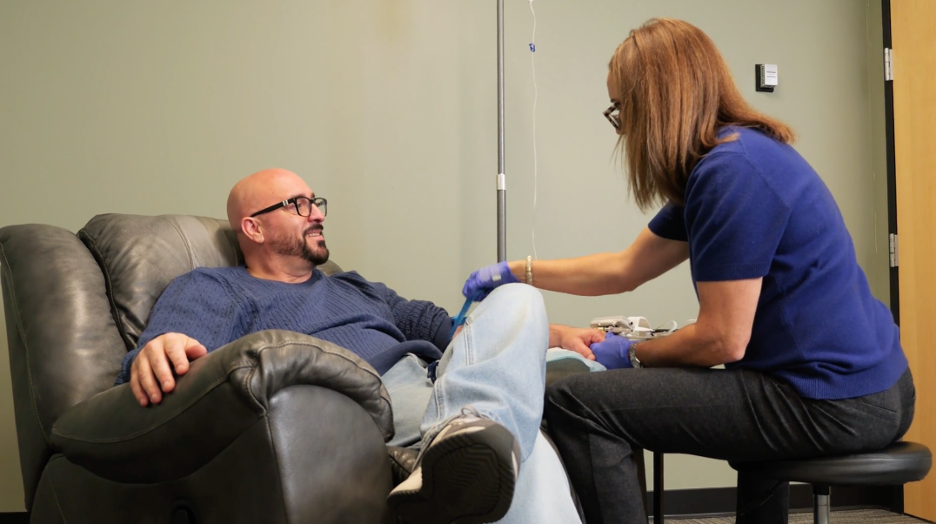
Jeff’s Story: PTSD, Depression, and Finding a Treatment That Helped Him Stay Present
Jeff is a Navy veteran, a medical professional, a husband, and a father of three. He spent 12 years in the Navy, primarily with the Marines, as a combat medic. He also spent many years overseas, including time in Iraq.
As he explains it, some things come home with you.
For Jeff, PTSD was not an abstract diagnosis. It affected how he moved through the world, how he slept, how he responded to stress, and how present he could be with the people he loved. He describes living in a state of hyperawareness: scanning, watching, adapting, pushing through, and completing the mission.
For years, he kept functioning. He worked. He built a career. He moved forward. But functioning is not the same as healing.
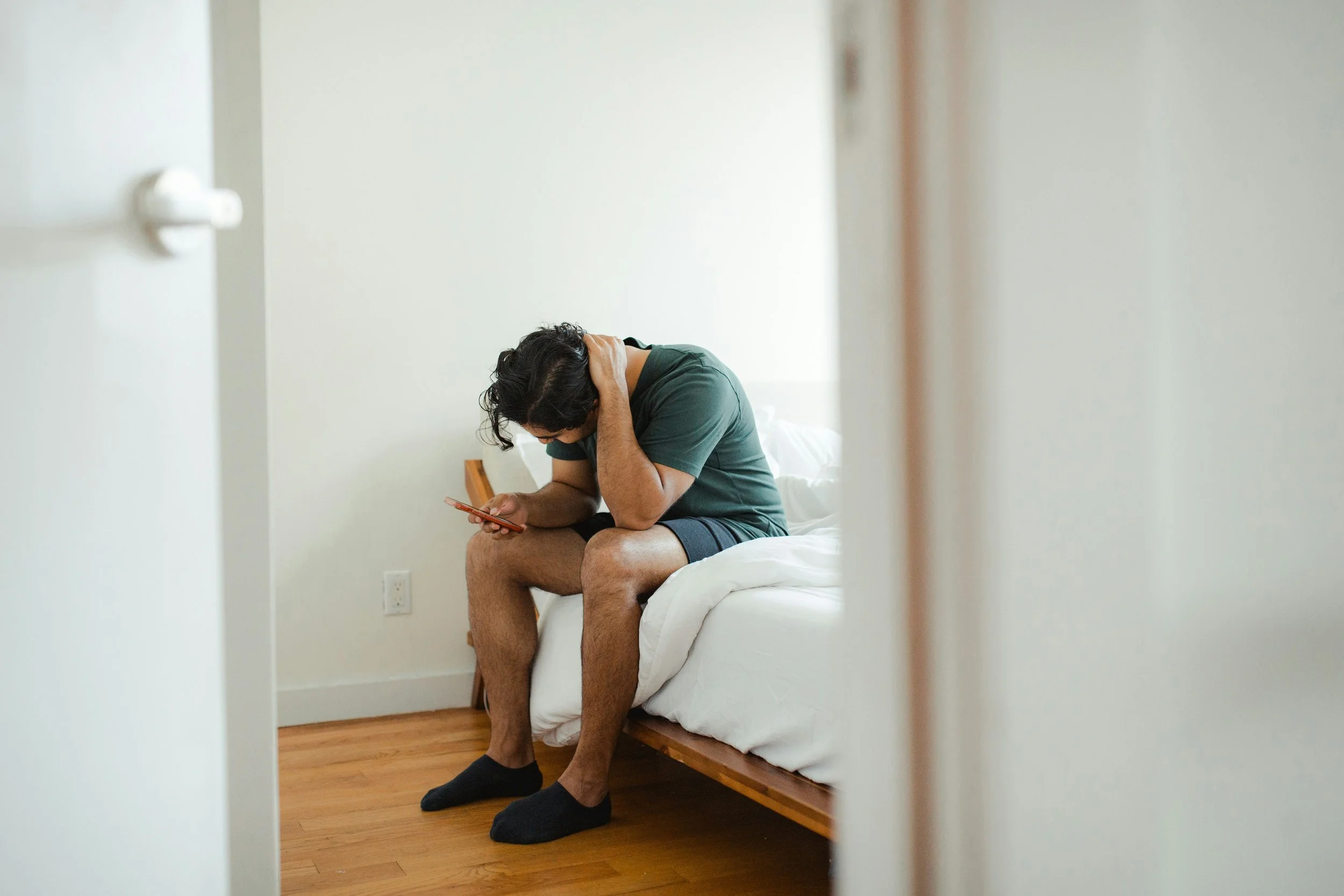
Ketamine for PTSD: What Patients Should Know Before Starting Treatment
Ketamine therapy is increasingly discussed as an option for patients with depression, anxiety, PTSD, and other difficult mental health conditions. For some patients with PTSD, especially those who have also struggled with treatment-resistant depression or chronic suicidal thoughts, ketamine may be worth evaluating.
But ketamine is not a cure for PTSD. It is not a replacement for trauma-focused therapy, psychiatric care, medication management, sleep support, or the relationships and routines that help a person heal.
Ketamine is best understood as one possible tool within a broader care plan.

PTSD, Depression, and Ketamine: Why These Conditions Often Overlap
PTSD and depression often travel together. A person may seek help because they feel depressed, exhausted, numb, anxious, irritable, or unable to function, only to realize that trauma symptoms are part of the larger picture.
For some patients, PTSD is the starting point. For others, depression is what finally brings them into care. Either way, the overlap matters because it can affect symptoms, treatment decisions, and how progress is measured.

What PTSD Can Feel Like in Daily Life
Post-traumatic stress disorder, or PTSD, is often misunderstood. People may think of it only as flashbacks or nightmares, but PTSD can affect nearly every part of daily life: sleep, work, relationships, parenting, concentration, mood, and the ability to feel safe in ordinary situations.
PTSD can develop after experiencing or witnessing a traumatic event. For some people, symptoms begin soon after trauma. For others, they appear later or become more noticeable when life changes, stress increases, or another event reactivates old memories.
PTSD is not weakness. It is not overreacting. It is a nervous system and mental health response to trauma that has not fully resolved.

PTSD Symptoms That Often Get Missed
PTSD is often reduced to a few familiar images: flashbacks, nightmares, and obvious fear after trauma.
Those symptoms can absolutely be part of the picture. But they are not the whole picture, and they are not always the symptoms that disrupt daily life the most.
For many people, PTSD shows up in ways that are easier to overlook, explain away, or misread. It may look like irritability, poor sleep, difficulty concentrating, feeling emotionally shut down, staying constantly on edge, or avoiding situations that do not seem obviously connected to trauma at first glance. Authoritative PTSD symptom overviews from the National Institute of Mental Health and the VA’s National Center for PTSD both describe symptom clusters that include avoidance, negative changes in mood and thinking, and arousal symptoms like sleep problems, irritability, and concentration difficulty, not only flashbacks.
That is one reason PTSD can be missed, especially in people who are still functioning on the outside.