


When Anxiety Lives in the Body, Not Just the Mind
Anxiety is not always experienced as racing thoughts. For many people, it shows up first in the body: tight chest, racing heart, nausea, dizziness, muscle tension, poor sleep, or a sense that something is wrong. Understanding the physical symptoms of anxiety can help patients recognize the pattern, talk with a provider, and find support that addresses both the mind and body.

OCD, Anxiety, and Depression: Why Symptoms Often Overlap
OCD rarely affects only one part of life. When intrusive thoughts, compulsions, avoidance, and uncertainty start taking up significant time and energy, anxiety and depression can follow closely behind.
For some patients, OCD is the main condition. For others, anxiety or depression is what feels most obvious at first. Over time, patients may realize that the symptoms are connected.
Understanding that overlap can help patients make more sense of what they are experiencing and find a more complete care plan.

When Anxiety Becomes More Than Everyday Stress
Anxiety is a normal response to stress, but clinical anxiety is more than everyday worry. When anxiety becomes persistent, overwhelming, physical, or disruptive to daily life, it can affect sleep, relationships, work, decision-making, and the ability to feel present. Understanding the difference between ordinary stress and anxiety that needs support can help patients take the next step toward care.
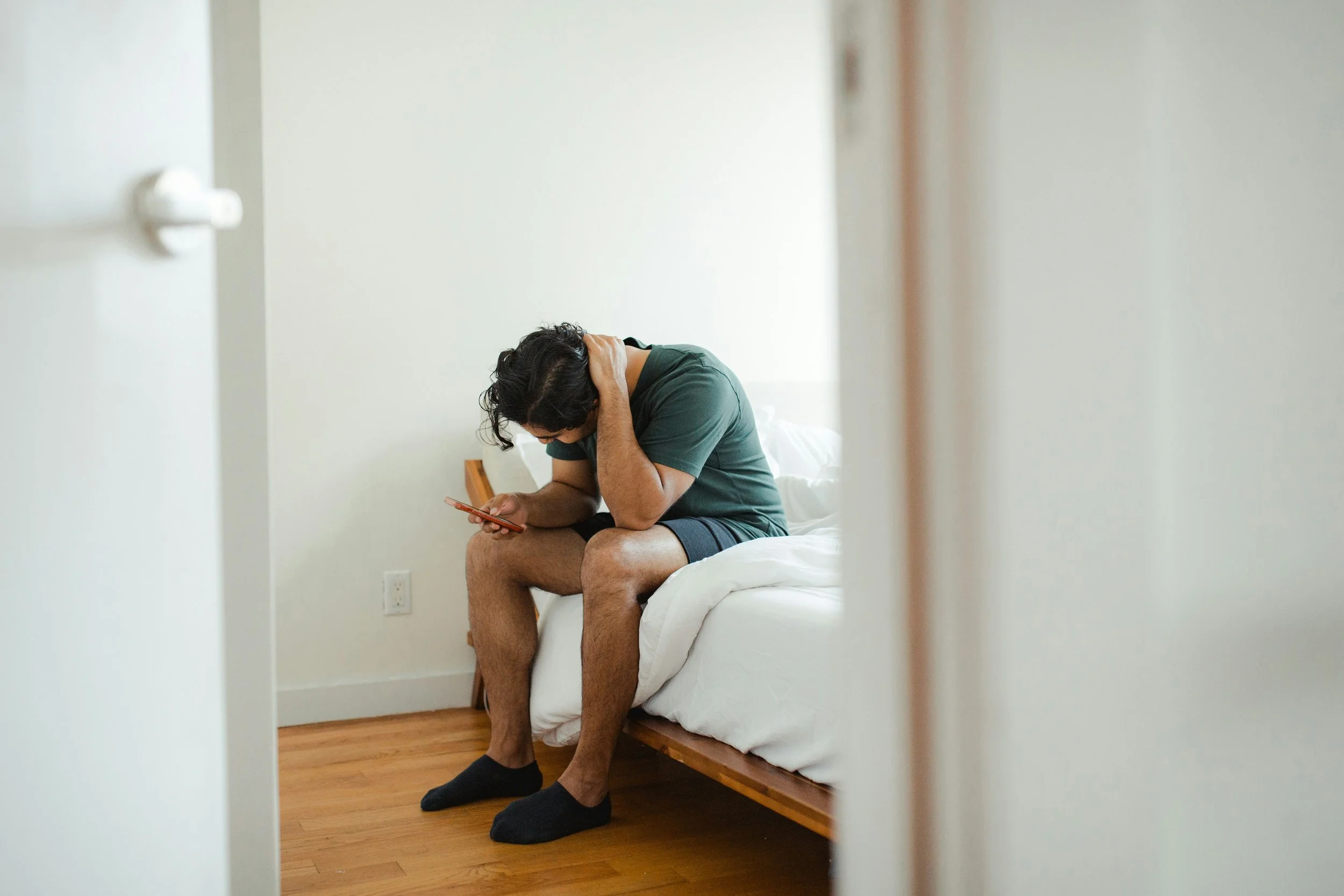
Ketamine for Anxiety: How It May Help When Symptoms Stay Persistent
When anxiety does not let up, it can become a near-constant background state: racing thoughts, tension, panic, stomach discomfort, trouble sleeping, or the feeling that the body is always preparing for something bad to happen. For some patients, ketamine therapy may help reduce the intensity of anxious thought patterns and create more room for daily life, therapy, and long-term progress.

Anxiety, Depression, and the Nervous System: Why Symptoms Often Overlap
Anxiety and depression are often talked about as separate conditions, but in real life, they frequently overlap. A person may feel tense, restless, and worried while also feeling exhausted, disconnected, and low. When these symptoms reinforce each other, care needs to look at the full picture — not just one label.