

What Migraine Really Feels Like: More Than a Bad Headache
Migraine is more than a bad headache. It is a neurological condition that can involve nausea, sensory sensitivity, aura, brain fog, fatigue, and days of disrupted function. For people with frequent or difficult-to-control migraine attacks, understanding the full pattern of symptoms can be an important step toward a more complete care plan.

Migraine Can Be Challenging to Treat — but Options Still Exist
Migraine can be challenging to treat because it does not always follow a simple pattern. Triggers, symptoms, medication response, and attack frequency can vary from person to person. For patients with persistent or difficult-to-control migraine, a layered and individualized plan may help reduce lost days, improve function, and create more confidence in daily life.
Ketamine for Migraine: How It May Help When Headache Pain Is Persistent or Severe
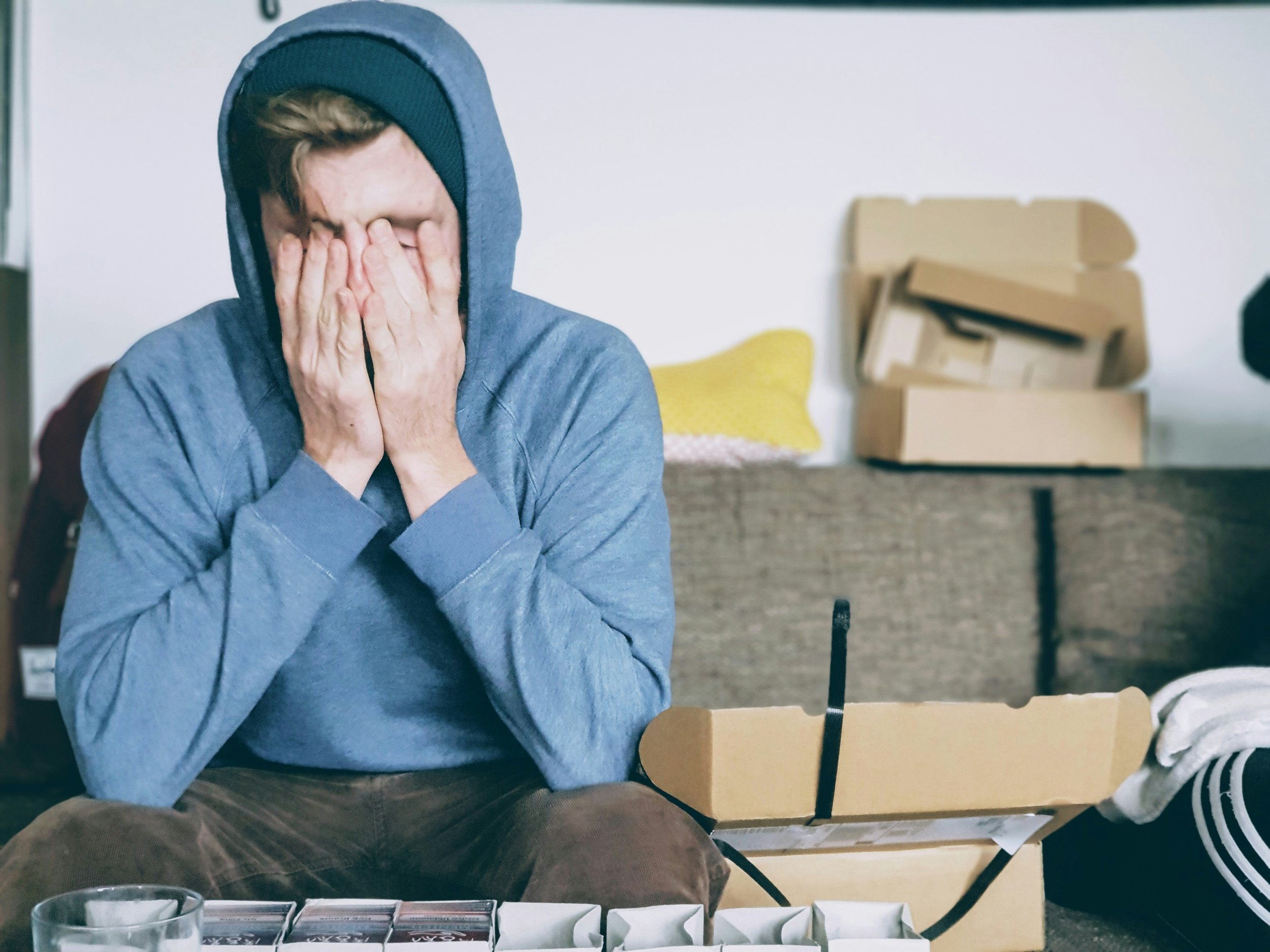
For patients with persistent, severe, or refractory migraine, ketamine therapy may be worth evaluating as part of a broader treatment plan. Because ketamine affects pain signaling and nervous system sensitivity, it may help selected patients reduce pain intensity, shorten difficult flares, and regain more capacity for work, sleep, family life, and other care.

When Migraine Takes Over Your Life: Treatment Options Beyond Standard Medication
Migraine can affect far more than head pain. It can interrupt work, sleep, parenting, relationships, travel, and the ability to think clearly. When migraine becomes frequent, severe, or difficult to control, care may need to look beyond standard medication alone and focus on reducing the overall burden of migraine in daily life.

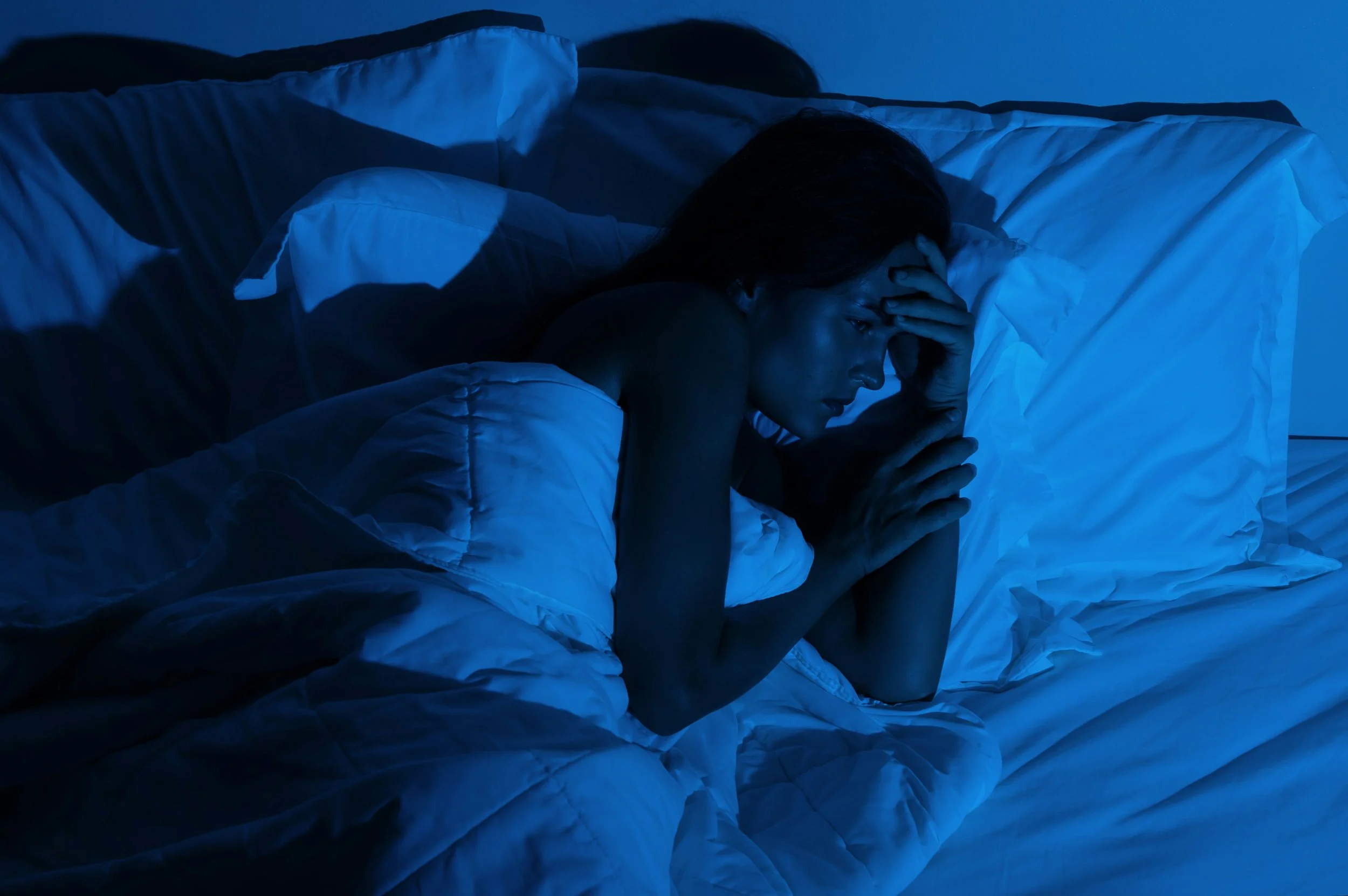
Why Sleep Disruption Makes Chronic Pain Harder To Manage
When you live with chronic pain, poor sleep is not just one more frustrating symptom. It can make pain feel louder, recovery feel slower, and daily life harder to handle.
A bad night of sleep can leave your body feeling more sensitive, less resilient, and less able to adapt to physical or emotional stress. Over time, that can turn pain and sleep into a difficult loop: pain interrupts sleep, poor sleep lowers your threshold for discomfort, and the next day feels harder from the start.
For many people, this is one of the most discouraging parts of chronic pain. You may be trying to do everything right and still feel like your body is working against you.