

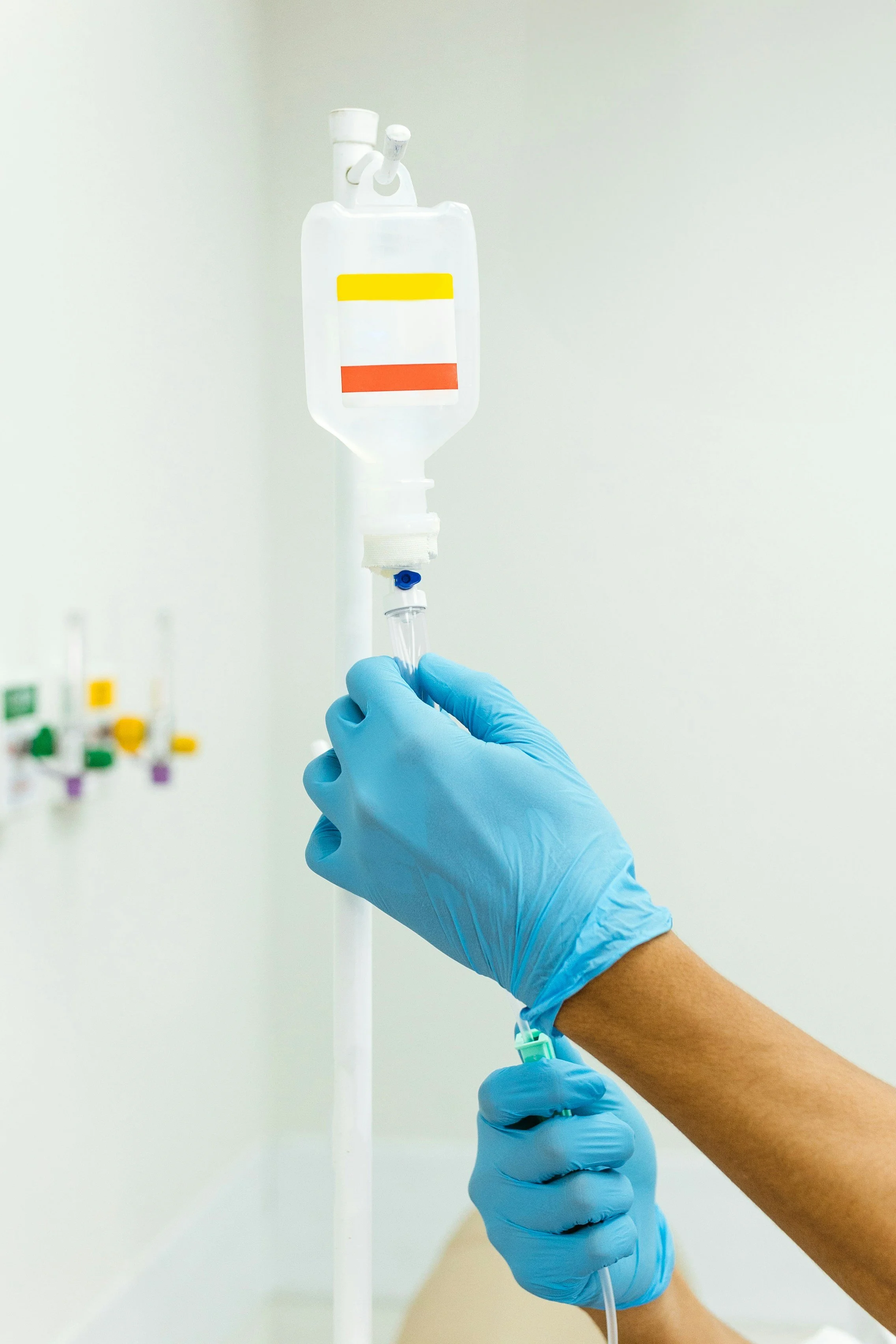
Emerging Uses of Ketamine in Complex Pain and Mood Conditions
One of the most clinically interesting shifts in the last decade is not just that ketamine can help certain patients with treatment-resistant depression. It is that the same medication has a history in anesthesiology and pain medicine, and it continues to be studied and used across both pain and mood contexts, with overlapping questions about mechanisms, patient selection, and safe implementation.¹⁻⁴
At the same time, it is exactly this “promise + complexity” combination that makes standards and restraint important. This is not casual medicine.

What Happens After A Referral: How Vitalitas Supports Continuity Of Care
When providers refer a patient for ketamine therapy, they are not trying to create a second care plan. They are trying to add a targeted intervention that supports the work already in motion, with clear guardrails and clear communication.
At Vitalitas Denver, our job after a referral is to make the handoff clean, keep communication tight, and protect continuity so the patient experiences one coherent plan, not a reset button on their whole clinical story.
Practicing Sustainable Medicine In High-Intensity Clinical Environments
You are not imagining it: high-intensity clinical work can make it feel like the job is never done, the needs are never fully met, and the “right thing” keeps expanding.
As clinicians, if we are not careful, we start responding to that pressure in one of two ways:
We overextend until we have nothing left.
We detach to survive, and our standards quietly erode.
I think there is a third option. You can practice sustainable medicine by making your standards explicit, setting boundaries that protect them, and building systems that reduce your load.

What High-Functioning Depression Can Look Like in Real Life
Sometimes it looks obvious, but other times it looks like falling behind, staying in bed longer than you’d hoped, or feeling visibly overwhelmed.
And sometimes it is possible to go to work, answer emails, take care of others, manage your responsibilities, and do everything you are supposed to do while quietly feeling flat, exhausted, disconnected, or unlike yourself.
That is part of what people mean when they talk about high-functioning depression.
It is not a formally differentiated diagnosis. But it describes a very real experience: someone can look capable on the outside while struggling in a serious way on the inside.

Why Sleep Disruption Makes Chronic Pain Harder To Manage
When you live with chronic pain, poor sleep is not just one more frustrating symptom. It can make pain feel louder, recovery feel slower, and daily life harder to handle.
A bad night of sleep can leave your body feeling more sensitive, less resilient, and less able to adapt to physical or emotional stress. Over time, that can turn pain and sleep into a difficult loop: pain interrupts sleep, poor sleep lowers your threshold for discomfort, and the next day feels harder from the start.
For many people, this is one of the most discouraging parts of chronic pain. You may be trying to do everything right and still feel like your body is working against you.

PTSD Symptoms That Often Get Missed
PTSD is often reduced to a few familiar images: flashbacks, nightmares, and obvious fear after trauma.
Those symptoms can absolutely be part of the picture. But they are not the whole picture, and they are not always the symptoms that disrupt daily life the most.
For many people, PTSD shows up in ways that are easier to overlook, explain away, or misread. It may look like irritability, poor sleep, difficulty concentrating, feeling emotionally shut down, staying constantly on edge, or avoiding situations that do not seem obviously connected to trauma at first glance. Authoritative PTSD symptom overviews from the National Institute of Mental Health and the VA’s National Center for PTSD both describe symptom clusters that include avoidance, negative changes in mood and thinking, and arousal symptoms like sleep problems, irritability, and concentration difficulty, not only flashbacks.
That is one reason PTSD can be missed, especially in people who are still functioning on the outside.

Anxiety, Depression, and the Nervous System: Why Symptoms Often Overlap
Anxiety and depression are often talked about as separate conditions, but in real life, they frequently overlap. A person may feel tense, restless, and worried while also feeling exhausted, disconnected, and low. When these symptoms reinforce each other, care needs to look at the full picture — not just one label.

Signal Processing, Pain, Mood, and Ketamine Treatment
The nervous system helps process pain, mood, threat, stress, and emotion. When those signals become amplified or difficult to shift, symptoms can feel persistent across conditions like chronic pain, depression, anxiety, trauma, or OCD. Ketamine’s effects on glutamate signaling may help selected patients create more flexibility, reduce symptom burden, and make the next steps in care more accessible.
Neuroplasticity and Ketamine Treatment
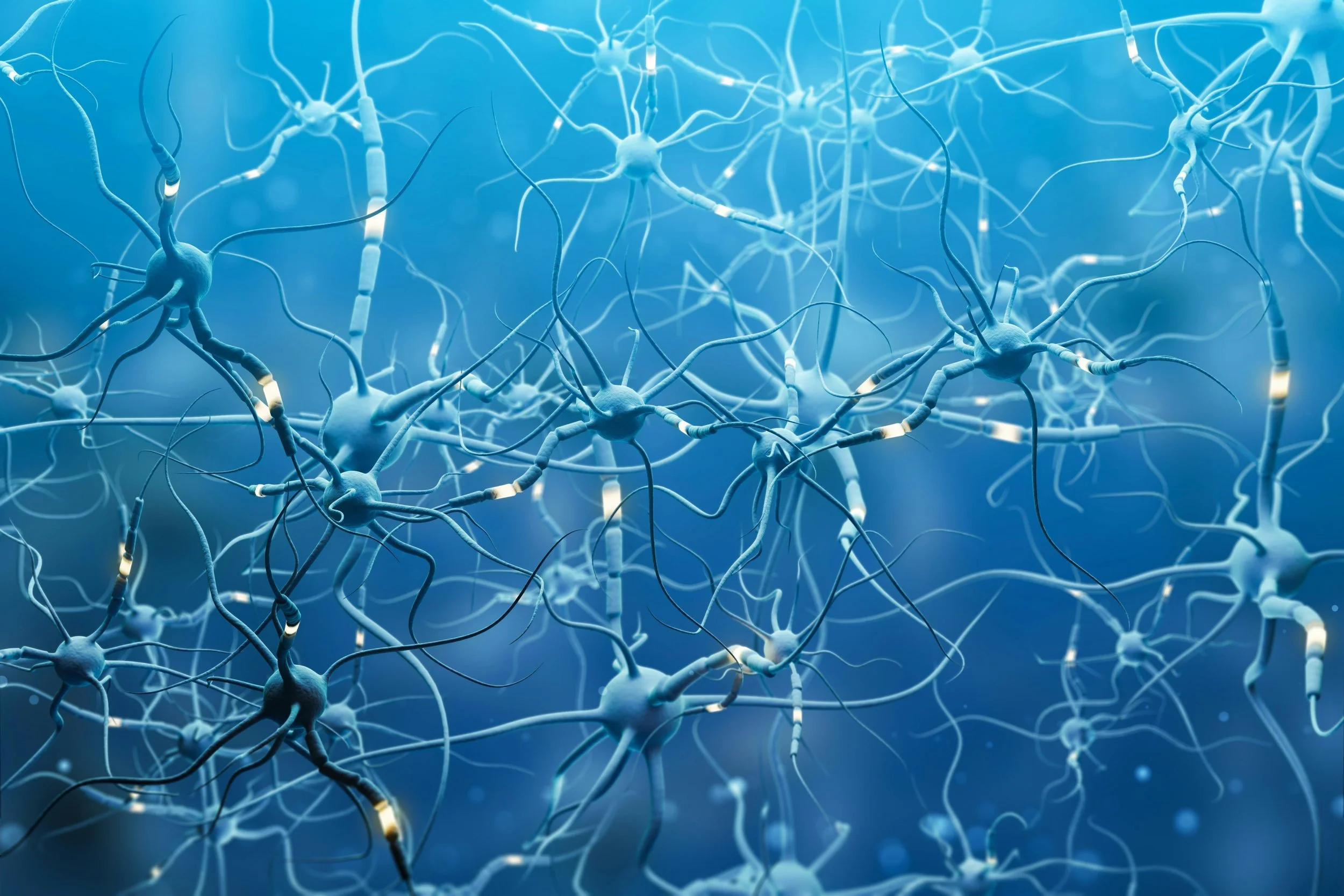
Neuroplasticity means the nervous system can change, adapt, and form new patterns. Ketamine may help create a temporary window where the brain feels more flexible, making it easier for some patients to shift symptoms, engage in care, and build on treatment with therapy, rest, support, and follow-up.
Glutamate Signaling and Ketamine Treatment
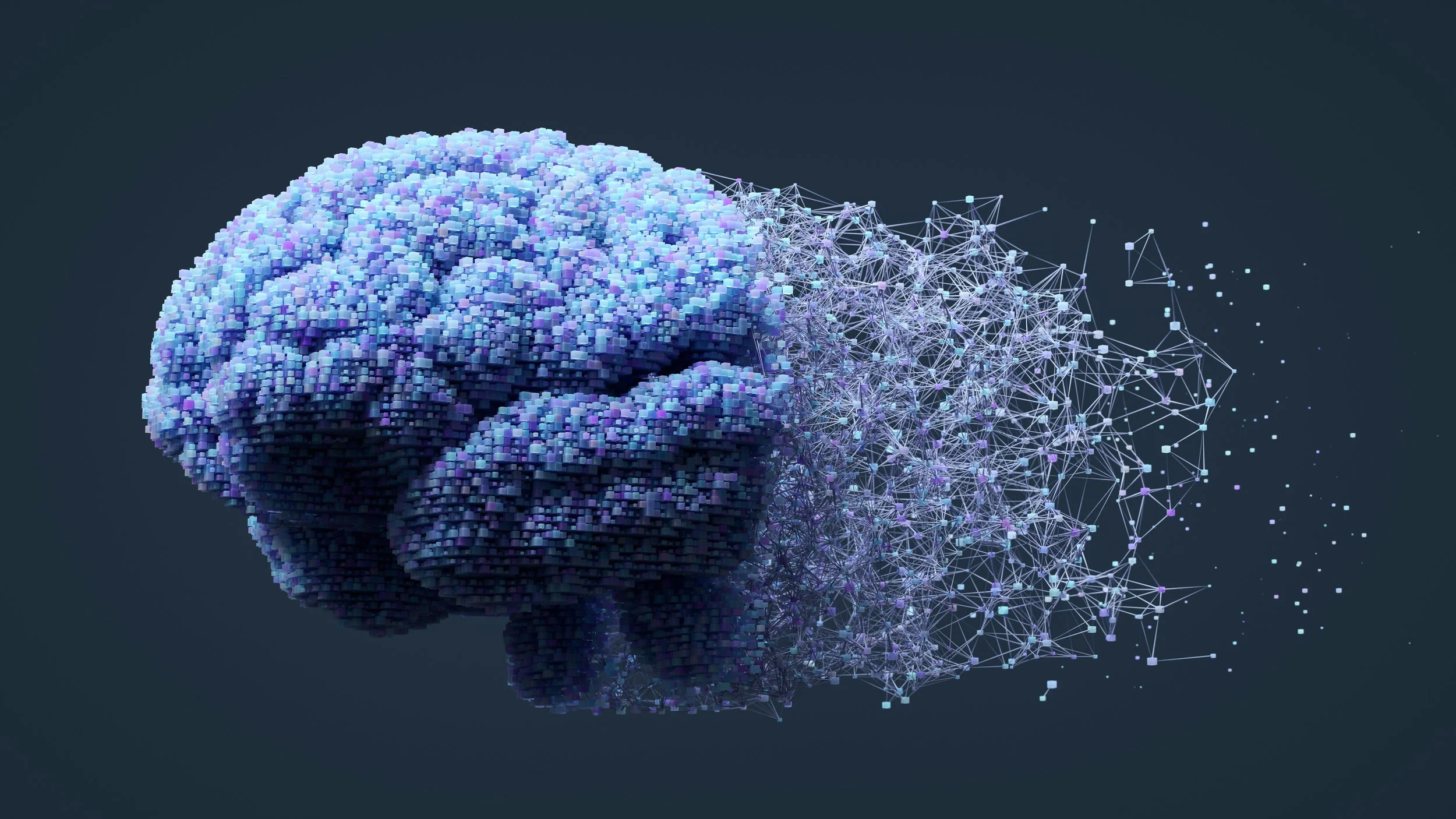
Ketamine works differently from many standard antidepressants and pain medications because much of its clinical interest centers on the glutamate system. Glutamate helps brain cells communicate and plays a role in mood, pain processing, learning, and neuroplasticity. For some patients, this different pathway may help explain why ketamine can support more flexible signaling when symptoms have felt persistent or difficult to shift.
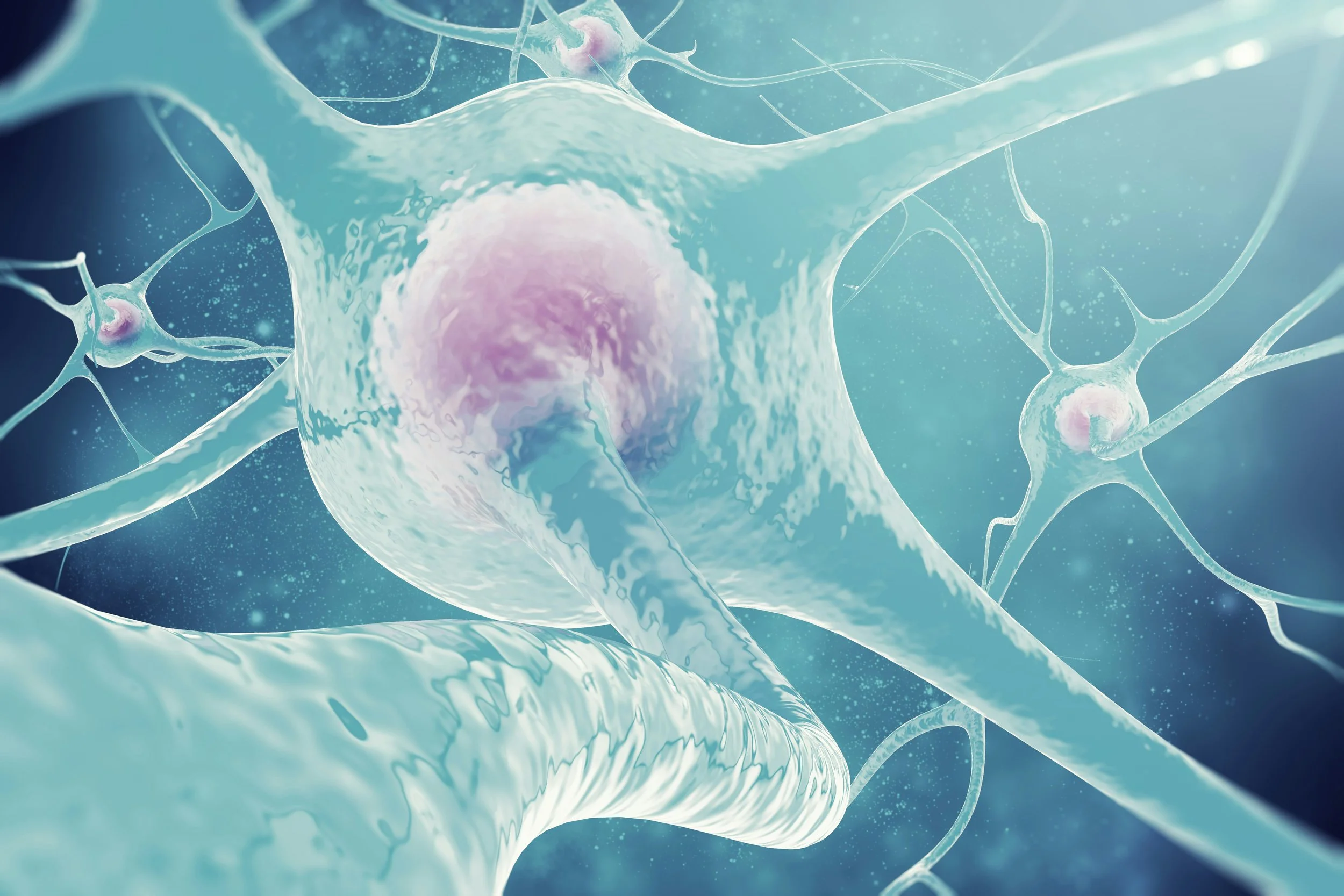
What It Means To “Reset Your Nervous System”
What does it actually mean to “reset” your nervous system? This article explains the common signs of stress overload, what is happening in the body, and how regulation and recovery become easier to access over time.

Ketamine for Chronic Pain: What Referring Providers Should Know
When is ketamine considered for chronic pain?
Ketamine may be considered for chronic pain when standard, multimodal treatments have not provided adequate relief and when central sensitization is suspected to play a significant role. It is not a first-line therapy and is evaluated as part of a broader, physician-guided care plan.
Chronic pain is one of the most complex clinical challenges providers manage. While many patients improve with medications, physical therapy, interventional procedures, and behavioral support, others continue to experience persistent pain that interferes with function and quality of life.
For referring providers, understanding where ketamine fits, which patients may be appropriate, and how care is coordinated is essential to responsible referral and continuity of care.